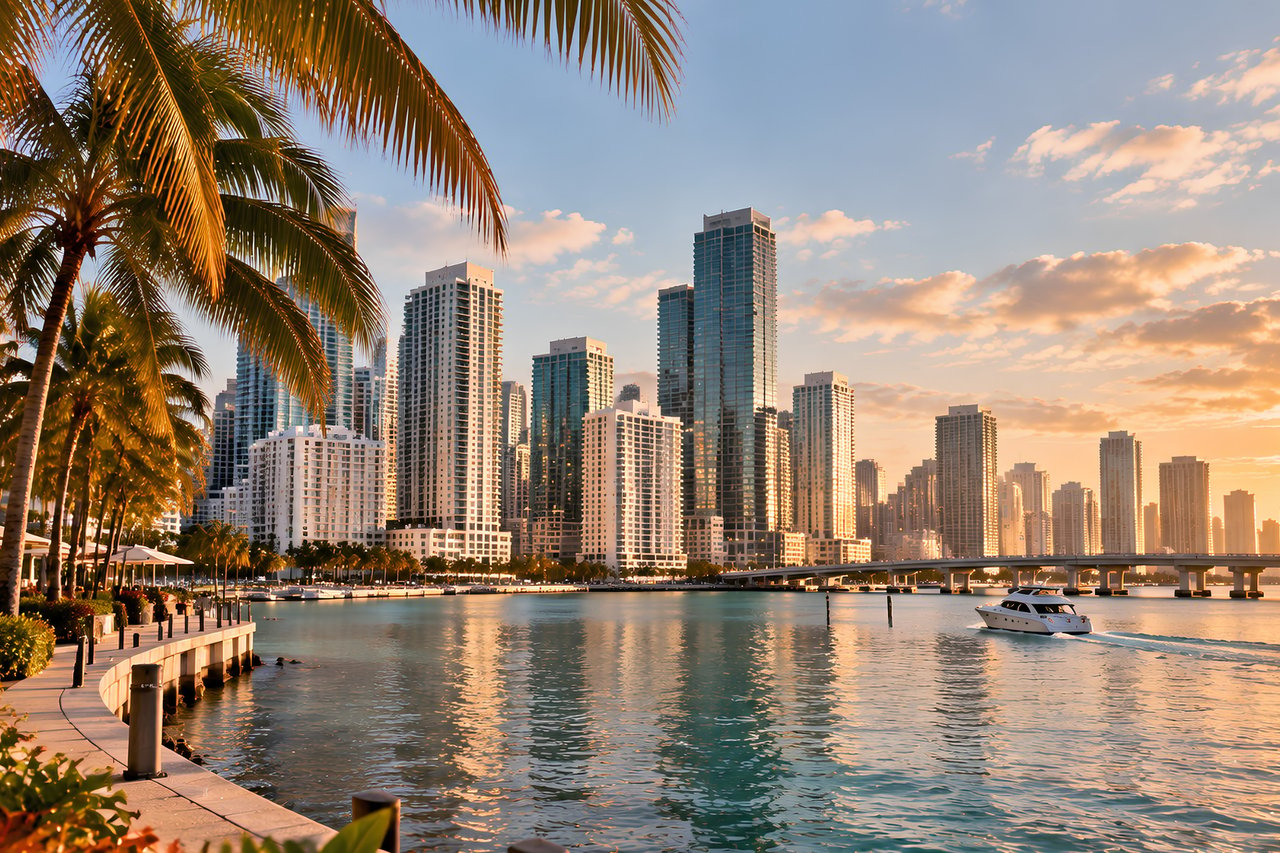

If you are considering a Downtown Miami pre-construction condo, the glossy renderings are only the beginning. In a market with global demand, fast-changing supply, and major differences between submarkets, a smart purchase comes down to what you verify before you sign. This guide will help you evaluate the details that matter most so you can make a more confident, better-informed decision. Let’s dive in.
Start With The Right Downtown Lens
Downtown Miami is not one single condo market. The Miami Downtown Development Authority uses a broader Greater Downtown framework that includes Brickell, the Central Business District, the Arts and Entertainment District, Wynwood, Edgewater, Overtown, and Midtown.
That matters because a tower should be judged against its specific submarket, not just a downtown label. A project in the CBD may compete with a different buyer pool, rental profile, and future supply pipeline than one in Brickell or near Worldcenter.
The broader story is still compelling. According to the DDA, Downtown Miami has more than 101,000 residents, 155,000 jobs, a median household income of $119,000, and more than 30 construction projects. Its 2025 residential analysis also reports nearly 40,000 condo units in Greater Downtown, about 10,000 more under construction, and a projected population increase of 24% between 2025 and 2030.
That combination creates opportunity, but it also raises the bar for due diligence. In Downtown Miami, the best pre-construction decision is usually less about chasing a headline price and more about understanding location, sponsor quality, and product positioning.
Compare The Exact Submarket
Before you evaluate finishes or floor plans, study the tower’s immediate surroundings. Downtown Miami buyers often compare projects too broadly, when the stronger approach is to measure a building against nearby competing inventory and planned supply.
The DDA’s 2025 residential analysis shows that Brickell and the Central Business District dominate much of the condo and apartment base within Greater Downtown. Brickell tends to command premium rents, while the CBD has seen softer occupancy as new supply comes online.
For you, that means the same unit type can perform differently depending on where it sits. A building with strong access to transit, waterfront improvements, and walkable daily conveniences may hold its appeal better than a similar product in a more supply-heavy pocket.
Review The Developer’s Track Record
In pre-construction, the developer matters as much as the design. A beautiful sales gallery cannot replace a proven history of completing projects, delivering on time, and managing post-closing issues responsibly.
Start by reviewing the sponsor’s completed projects and delivery timeline. You also want to understand whether there is any pattern of recurring warranty complaints or litigation issues tied to past developments.
This step matters because pre-construction is a longer and more complex transaction than resale. You are often buying from plans, timelines can shift, and the final ownership experience depends heavily on how the sponsor executes.
Read The Condo Documents Carefully
One of the most important rules in Florida pre-construction is simple: rely on the written documents, not verbal promises. Florida condo law makes clear that oral representations are not what control the transaction.
Before treating the sales presentation as fact, review the prospectus or offering circular, declaration, bylaws, proposed budget, and management agreements. For larger residential condo projects, the developer must prepare and file a prospectus or offering circular before an enforceable contract is signed.
This is where many of the most important answers live. The documents can clarify what you are actually buying, how the building will operate, what the rules are, and what expenses you may face after closing.
Understand Deposits And Escrow
Deposit structure is one of the biggest parts of pre-construction risk. In Florida, if construction is not substantially complete, the developer must escrow all buyer payments up to 10% of the sale price.
Amounts above 10% must be held in a special escrow account and can be used only for actual construction costs if the contract permits it after construction begins. Those funds cannot be used for sales, marketing, or similar non-construction expenses.
You should also know that Florida buyers generally receive a 15-day cancellation right after signing and receiving the required documents. The developer generally cannot close during that period unless you agree in writing to close earlier.
These rules do not remove all risk, but they do give you a clearer framework for evaluating how your funds are handled. In a large deposit transaction, that structure matters.
Study Future Supply And View Risk
A great current view is not the same as a protected long-term view. In Downtown Miami, where the development pipeline remains active, future competition and future obstructions should be part of your evaluation from day one.
The Miami DDA’s interactive 3D development pipeline map is especially useful for this. It shows existing, under-construction, and planned projects across the CBD, Brickell, and the Arts and Entertainment District.
Use it to assess two practical issues:
- Whether another tower could affect your view corridor
- Whether multiple nearby launches could increase future resale competition
- Whether the project benefits from completed or improving public infrastructure nearby
This is one of the simplest ways to move beyond marketing and toward real underwriting discipline.
Evaluate Monthly Ownership Costs
Your purchase price is only one part of the equation. Condo fees, reserves, amenity maintenance, insurance considerations, and possible special assessments can shape the real cost of ownership over time.
Condo fees help fund building operations, maintenance, and amenities, and they should be factored into your monthly carrying costs from the start. They can also rise over time, especially in amenity-rich buildings where the operating budget is more complex.
Reserve strength matters too. Lenders review association reserves and overall project eligibility, which means a building with an attractive lifestyle package can still create friction if the financial structure is weak.
A polished evaluation should include questions like these:
- What are the projected monthly condo fees?
- What amenities are driving those costs?
- How conservative does the proposed budget appear?
- Could the building face pressure for future fee increases?
- Will the project be straightforward to finance?
Check Rental Rules And Resale Appeal
If you may rent the unit in the future, even occasionally, rental rules deserve close attention. Lease restrictions, minimum rental periods, and any hotel-style or mixed-use components can influence both flexibility and buyer demand.
This is especially relevant in Downtown Miami because the rental market is healthy, but not without pressure points. The DDA reports that Greater Downtown Miami’s average condo rent reached $4,450 per unit in 2025, up 65.7% since 2019. At the same time, more than 10,000 condo units were under construction, which means future supply needs to be taken seriously.
MIAMI REALTORS also reported Miami-market occupancy at 94.9%, with rising in-place and renewal rents, but flatter new-lease rents and increasing concessions as new completions entered the market. For you, that suggests using conservative rental assumptions rather than assuming every new tower will lease at a premium right away.
Resale positioning matters just as much. A project that appeals to both end users and investors often has a broader exit strategy than one with a very narrow buyer pool.
Consider Financeability Early
Not every luxury condo is equally easy to finance. Mixed-use projects, branded residences, and buildings with hotel-like operations may face more lender scrutiny depending on ownership structure, reserves, commercial space, and overall project eligibility.
That does not mean these buildings are bad opportunities. It means you should look beyond the visual presentation and ask how the product will function in the real financing market.
A striking tower can lose momentum if too many future buyers face financing hurdles. In contrast, a well-positioned building with simpler financeability may have a deeper resale audience over time.
Look At Connectivity And Livability
Downtown Miami’s long-term value story is closely tied to mobility and public-realm improvements. The DDA’s planning framework focuses on stronger waterfront access, Baywalk and Riverwalk connections, wider sidewalks, more shade, pedestrian and bicycle corridors, and transit within a 5-to-10-minute walk.
Some of these improvements are already visible on the ground. The DDA reports that the 5-mile Downtown Baywalk is 89% complete, and the 10-mile Miami Riverwalk and on-road Greenway are 68% complete.
Transit access is another key factor. Miami-Dade County’s Metromover runs seven days a week with 21 stations in Downtown, Omni, and Brickell, and the renovated Miami Worldcenter Station reopened in 2025.
For a long-horizon buyer, these details can shape daily convenience and future desirability. In many cases, lifestyle value and resale relevance rise together when a building is tied to strong connectivity.
Don’t Overlook Flood And Warranty Details
In a waterfront market like Miami, insurance and warranty questions deserve more attention than many buyers give them. Florida’s required condo contract language reminds buyers that standard homeowners policies do not cover flood damage and that separate flood insurance should be discussed.
You should also review builder warranty coverage carefully. Warranty periods can vary by component and by builder, so it is worth understanding what is covered, for how long, and how claims are handled.
Good recordkeeping helps here. Keep organized notes and copies of communications throughout the construction and post-closing period so you have a clear paper trail if issues arise.
What A Strong Opportunity Usually Looks Like
In Downtown Miami, a strong pre-construction condo opportunity usually checks several boxes at once. It has a credible sponsor, transparent documents, a deposit structure you understand, realistic ownership costs, and a clear position within its submarket.
It should also make sense beyond the brochure. If the tower has durable walkability, useful transit access, practical rental or resale appeal, and manageable future supply risk, it is often better positioned for both lifestyle use and long-term value.
That kind of analysis is especially important in a globally marketed luxury market. When you evaluate pre-construction carefully, you give yourself a better chance of buying the right asset, not just the newest one.
If you are weighing a Downtown Miami pre-construction purchase and want discreet, data-driven guidance tailored to your goals, Carlo Dipasquale can help you evaluate the opportunity with the care and precision a luxury acquisition deserves.
FAQs
What should you review before buying a Downtown Miami pre-construction condo?
- You should review the developer’s track record, the prospectus or offering circular, condo bylaws, proposed budget, deposit terms, rental rules, parking and storage details, and nearby planned supply.
How do Florida pre-construction condo deposits work?
- Under Florida law, buyer payments up to 10% of the sale price must be escrowed if construction is not substantially complete, and amounts above 10% must be kept in a special escrow account that may be used only for actual construction costs if the contract allows it after construction begins.
Why does submarket matter for Downtown Miami condos?
- Submarket matters because Brickell, the CBD, and nearby downtown districts can differ in rent levels, occupancy trends, buyer demand, and future supply, which can affect both lifestyle value and resale potential.
How can you check future view risk in Downtown Miami?
- You can use the Miami DDA’s interactive 3D development pipeline map to see existing, under-construction, and planned projects that may affect view corridors and future competition.
Are Downtown Miami pre-construction condos good for rental income?
- They can be, but rental performance should be underwritten conservatively because Greater Downtown has strong rents and occupancy alongside significant new supply and rising concessions in some parts of the market.
What ownership costs should you estimate for a Downtown Miami condo?
- You should estimate condo fees, insurance-related costs, possible future fee increases, reserve strength, financing considerations, and the risk of special assessments in addition to your mortgage or cash purchase costs.