
A guide for Miami Beach condo owners who want to know what their residence is actually worth, and why a citywide market report will never answer that question.
Written for owners in South of Fifth, South Beach, and along the oceanfront corridor who are weighing a sale. This is where price is really decided in a Miami Beach condominium, and why the headline number you read about the market almost certainly does not apply to your home.
The Takeaway
Miami-Dade market reports are context. They are not a valuation. In luxury condominiums, price is settled three levels below the market: the building, the line, and the individual residence. A county average cannot tell you what a buyer will pay for your floor, your exposure, and your condition.
I work in these buildings daily, and I live in one of them. The pattern I see over and over is an owner anchoring to the wrong number, usually the building's asking average or something they read about Miami, and then reading the silence that follows as a soft market. It is not a soft market. It is a wrong number.
Why a Miami-Dade Market Report Cannot Price Your Residence
A regional average blends tens of thousands of unlike properties into a single figure. Your residence competes against a handful of homes, sometimes fewer than six.
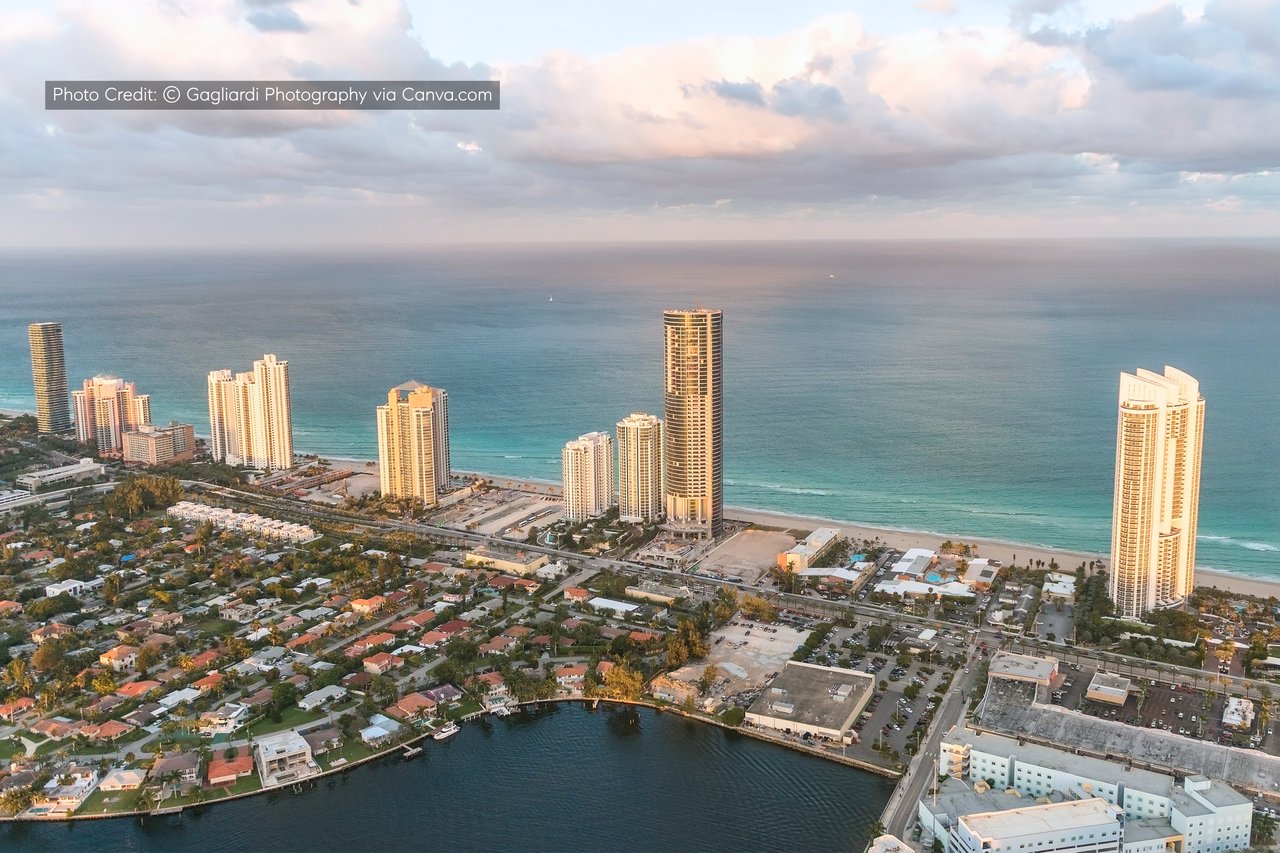
The buyer for an oceanfront residence at the southern tip of Miami Beach is not comparing your home to Miami-Dade. They are comparing it to the last few residences in your building that actually closed, and to whatever sits available in the same line right now. When the pool is that narrow, a county-wide figure carries no predictive weight at all.
There is a second distortion, and it is the one that costs owners money. Averages get pulled upward by the loudest listings. In the South Tower at Continuum this summer, the average active asking price sits above eleven million dollars, but the median ask is under eight million, and two-thirds of the available residences are priced below ten million. The ceiling of that market is highly visible. The market that actually transacts is a long way beneath it.
Start With the Building, Not the Market
Before line and floor, the building itself sets the range. Land, age, amenities, leasing rules, and financial health each move value materially, and none of them appear in a market report.
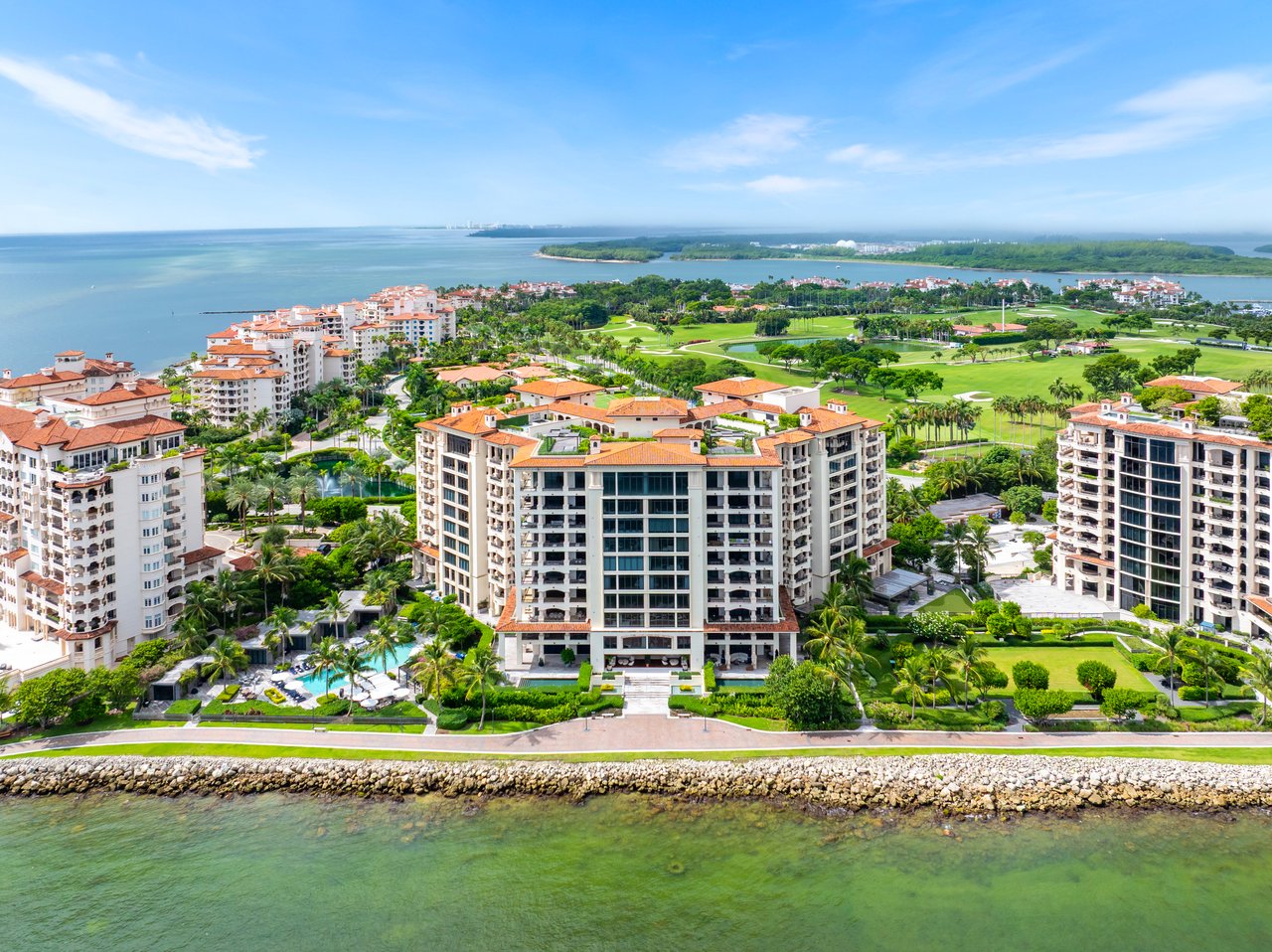
Two towers can sit on the same block and trade at different levels for reasons that have nothing to do with the residences inside them. Continuum is a useful case because both towers stand on the same twelve gated acres at 50 and 100 South Pointe Drive, sharing a thousand feet of private beach, the spa, the pools, and the clay courts, and they still price differently. The South Tower is the older and larger of the two and carries the marquee inventory. The North Tower arrived later, in 2008, with a more contemporary design and a gated arrival court that privacy-minded buyers notice immediately. The two towers do not simply rank above and below each other. They behave differently, and as I show below, one of them currently closes above where it asks.
Leasing rules matter just as much. Where short-term rentals are restricted, the buyer pool tilts toward residents and long-horizon owners rather than investors chasing yield, and that changes both the price and the pacing of a sale. Confirm your association's current minimum lease term before you list, because it determines who you are actually marketing to.
Florida's milestone inspection and structural reserve requirements belong in this conversation, too. Reserve funding and inspection status have become part of what a buyer underwrites, particularly in older oceanfront buildings. At this level, the question about reserves now arrives before the question about finishes.
Read more: For what buyers verify at the building level before closing → Buying a Miami Luxury Condo? What to Verify Before You Close in 2026
Then the Line, Because Square Footage Lies
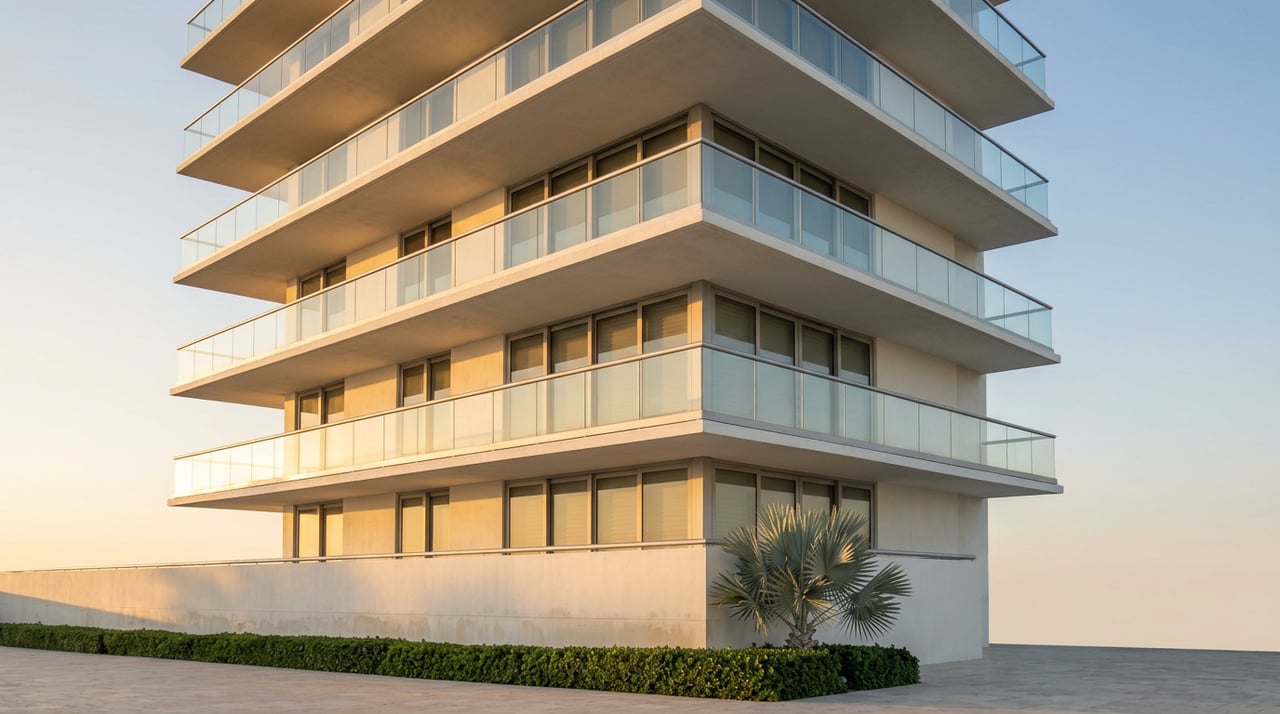
Inside a single building, the line decides the number. Exposure, view corridor, floor position, and condition set the price per foot, and the spread between two lines can be extraordinary.
This is the point owners underestimate most, so here is what I am watching in the North Tower right now. Two active residences share the exact same 1,698 square foot two-bedroom floor plan. One is asking roughly $2,267 per square foot. The other is asking roughly $3,295. That is a spread of about forty-five percent on identical square footage within a single line of one building, and the higher ask is not the higher floor.
Square footage told you nothing there. Exposure, condition, and the specific residence told you everything.
The same logic runs through my own inventory. Residence 1906/07 in the South Tower is a 4,378 square foot five-bedroom flow-through at roughly $5,025 per foot, and it went pending. Residence 509 is an ocean-facing two-bedroom at 1,595 square feet and roughly $3,354 per foot, which sits below the tower's active average per foot on purpose. Same building, two very different positions inside it. Each number was set against its own line and exposure, which is why both are moving.
Ask Price and Closing Price Are Two Different Numbers
Active inventory tells you what sellers want. Closings tell you what buyers agreed to. Inside the same property, those two numbers can point in opposite directions, and most owners never check.
At Continuum this summer, South Tower active inventory averages about $4,120 per square foot, while residences that actually closed over the past ninety days blended to roughly $3,028. In the North Tower, the relationship inverts. Active inventory averages about $2,932 per foot, while the two most recent closings blended to roughly $3,427. Residence 2703 closed at $8,425,000, or about $3,654 per foot, at the end of April. Townhouse 7 closed at $9,000,000, or about $3,239 per foot, in late June. Both are printed above the tower's active average.
Read that carefully, because it is the most useful thing an owner can take from this article. One tower is asking above where it trades. The other is trading above where it asks. If you price to the ask average in the first, you sit. If you price to the ask average in the second, you hand money away.
Read more: For the broader Miami-Dade signals worth checking before you list → Thinking of Selling in Miami? Five Market Numbers to Read First
What Correctly Priced Looks Like at Closing
When the number is right, this market does not negotiate. It transacts.
Seven residences closed across both Continuum towers this season, and every one of them closed at its final asking price. Not close to it. At it. Residence 2604 closed at $11,150,000 in thirteen days. Residence 3002 closed at $4,460,000 in ten. Residence 2506 closed at $5,000,000, Residence 903 at $3,650,000, and Cabana 14 at $1,910,000 in thirteen days. There was no negotiated discount off the final number in any of them.
Buyers here are not grinding sellers down once the price is right. They are refusing to engage when it is wrong. Which means pricing at this level is a positioning decision made before launch, not a negotiation you manage afterward. By the time you are cutting, the audience that mattered has already moved on.
What Sellers Are Asking Right Now
Can I use my building's average price per foot to value my residence? Only as a boundary. That average blends lines, exposures, floors, and conditions that never compete with each other. Your real comparable set is your line and your nearest closings.
Why is my neighbor's identical unit priced so differently? Because identical layouts are not identical homes. View corridor, exposure, renovation level, and terrace position routinely separate two matching floor plans by a wide margin, and the higher price is not always higher up.
Should I price high and leave negotiating room? In this segment, that backfires. Well-advised buyers walk away from a wrong number rather than counter it, and you lose the weeks that were worth the most.
Does a lower price per foot mean a better buy? Not automatically. A number well below the building can reflect genuine value or a real limitation, and a listing sheet will not tell you which. That is something you learn by watching which lines actually trade.
Strategic Positioning for Sellers
Price to your line, not to the building. Exposure, floor band, and condition set your number.
Anchor to closings. Ask tells you what sellers hope for. Closings tell you what buyers signed.
Know which direction your building trades. Some properties ask above where they close, others close above where they ask, and the two require opposite strategies.
Protect the first three weeks. Fresh exposure reaches the most motivated buyers, and a mispriced launch is expensive to undo.
Put the building in the story. Reserves, leasing terms, beachfrontage, and amenities are all part of what a buyer is underwriting.
Final Perspective
The market does not price your home. The building narrows it, the line defines it, and the residence itself finalizes it. Owners who read those three layers correctly tend to sign quickly and at their number. Owners working from a regional headline tend to wait, then reduce, then wait again.
I read these buildings floor by floor, line by line, and exposure by exposure, because that is the only level at which the answer actually exists. No listing sheet will hand it to you. Living here and watching which lines genuinely trade will.
Work With Carlo Dipasquale
If you own a luxury condominium in Miami Beach and want a precise read on where your specific residence sits within your building, connect with Carlo Dipasquale for a private, residence-level conversation about value, timing, and strategy.
FAQ
How are luxury condos actually valued in Miami Beach? In layers. The building establishes the range, the line and exposure set the price per foot, and the individual residence and its condition finalize the number. Citywide averages are background, not valuation.
Does square footage determine what a Miami Beach condo is worth? Far less than owners expect. Two identical floor plans inside one building can differ by well over forty percent per square foot, depending on exposure, floor position, and condition.
Why do some Miami Beach condos sell in under two weeks while others sit for months? Almost always the first asking price. Correctly positioned residences transact fast and often at full asking price. Overpriced ones are ignored rather than negotiated.
Do building financials affect my condo's value? Yes, meaningfully. Reserve funding, milestone inspection status, and assessment history now form part of what a buyer underwrites, especially in older oceanfront buildings.
What is the right way to find comparables for my residence? Start with closed sales in your tower, your line, and your floor band. Active listings show intent. Closings show agreement.
Building-level figures reflect Compass and MLS data for Continuum on South Beach as of July 2026 and are subject to change. General observations describe the ultra-luxury Miami Beach condominium segment and are not a substitute for a residence-specific valuation. Association financials, reserve status, milestone inspection requirements, and leasing rules should be verified directly with your building and the current Florida statute before listing. Carlo Dipasquale is a real estate agent affiliated with Compass.