A Miami-Dade seller's guide to knowing when a sharper presentation is enough, and when the checkbook needs to come out for a real renovation.
Almost every seller I meet in South of Fifth or out on the Venetian Islands opens with a version of the same question. Not should I prepare the property, but how far do I take it? Do we clean it up and stage it, or do we open the walls?
It's the right instinct, and getting the answer wrong is expensive in both directions. Under-prepare a trophy residence, and you leave money on the closing table. Over-renovate a unit the market was always going to price as a blank canvas, and you've written a check the next owner quietly cashes. So before anyone dials a contractor, this is how I walk a seller through it.
The short version
Stage almost always. Renovate only when the building, the block, and the math are all pointing in the same direction.
Staging changes how a home feels. Renovation changes what a home is. Both can move your price, but they solve different problems and cost wildly different amounts, and in a market splitting as sharply as Miami's is right now, matching the move to the property is the entire job.
Why the stakes are higher in 2026
Miami is transacting, but nobody's rushing. Per MIAMI REALTORS figures, Miami-Dade existing condo sales rose close to 12% year over year in June 2026, and single-family sales climbed roughly 17%, the tenth straight month of overall gains. The demand is real. What it isn't is frantic.
You feel that discipline on the clock. Also per MIAMI REALTORS, in June 2026 existing condos in Miami-Dade took a median of about 85 days to go from listing to contract, up from 68 a year earlier, while single-family homes moved in roughly 52 days. Condos are sitting in a buyer's market; well-prepared single-family homes are not. Same county, two different speeds, and preparation is a big part of what decides which clock your listing runs on.
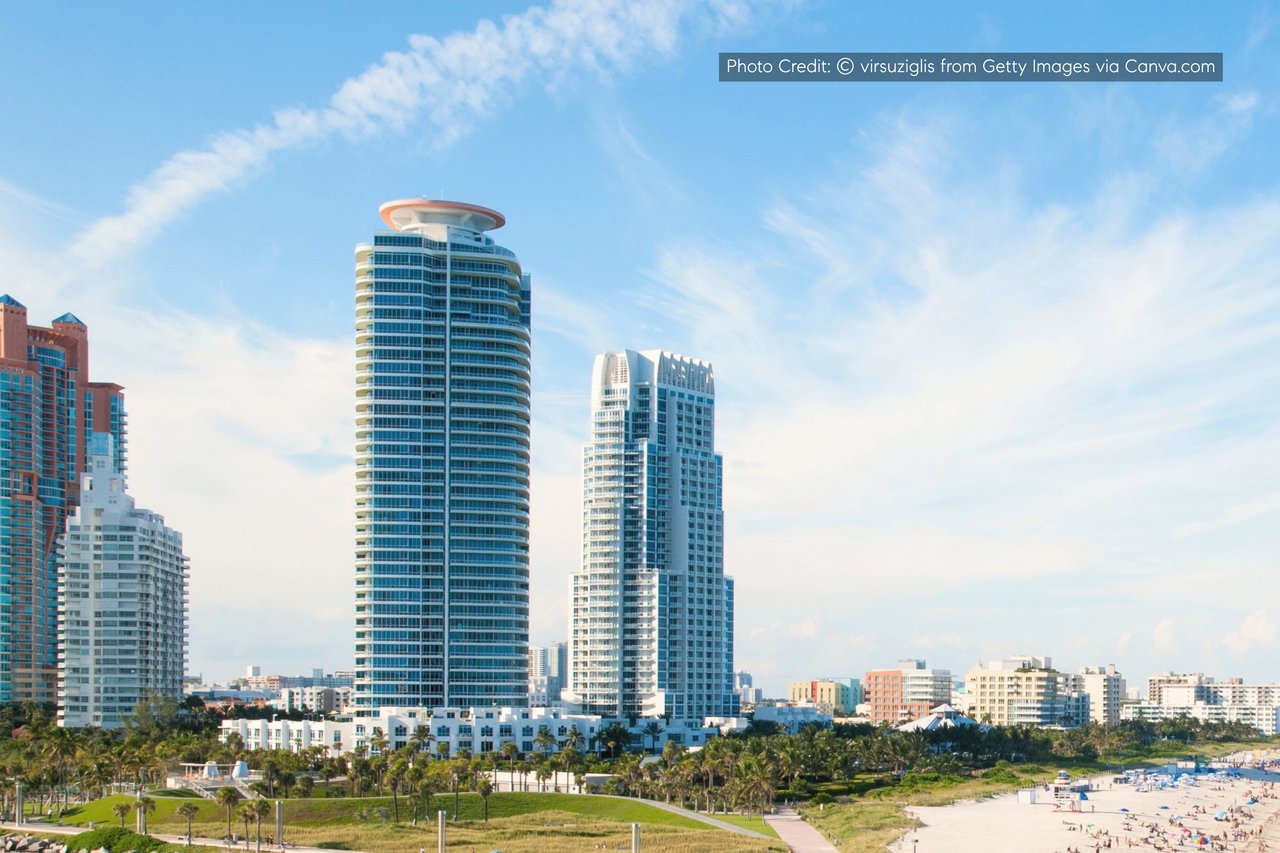
South of Fifth is the clearest example I know of that discipline in action. Roughly 70% of SoFi condos sell within six months, while about 8% sit on the market longer than a year. That's not a soft neighborhood; it's the most expensive one on the island. It's a selective one. Correctly positioned homes trade; overpriced or under-prepared ones join that stubborn 8% and hand every day on market back to the buyer as leverage.
There's a second pressure that's easy to underestimate. As a resale seller, you're not really competing with the owner two floors up. You're competing with sales galleries, the fully staged, professionally lit model your buyer toured at a branded tower an hour before they walked into your unit. Most of the emotional decision is made on a screen before anyone unlocks your door. Presentation is how you survive that comparison.
What staging actually buys you
Presentation, plainly. Furniture, light, scale, flow, arranged so the residence photographs beautifully and shows even better in person. For the large majority of Miami luxury listings, it's the highest-return dollar you can spend before going live.
Lean on staging first when the home is structurally sound but empty, over-personalized, or simply styled for the last owner's taste, and when you need to launch into live demand without a six-month detour through permits.
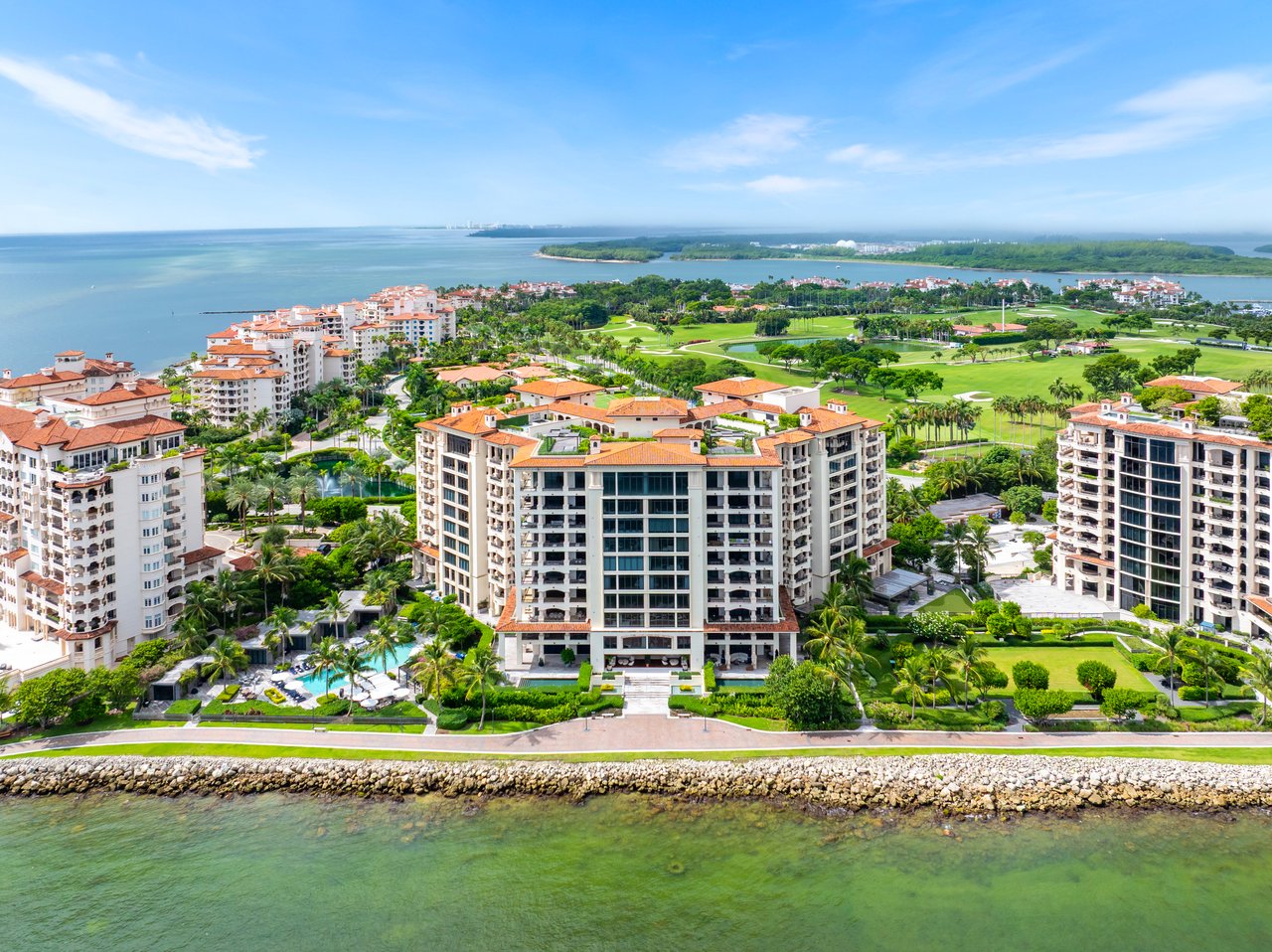
In a waterfront or high-floor home, staging has exactly one job: get out of the way of the view. The bay, the skyline, Government Cut with the ships sliding past, that's the product. I've watched gorgeous furniture compete with the water for a buyer's eye and lose the room. Good staging quiets everything down so the view does the closing.
Read more: for what today's beach buyers actually pay a premium for, see What Are Miami Beach Luxury Buyers Willing to Pay a Premium For in 2026?
What renovating actually buys you
A different asset. Kitchens, baths, floors, impact glass, systems, layout. Done right, in the right property, it lifts your ceiling. And in this market, buyers are paying up for finished product, because the scarcest commodity in Miami right now isn't square footage. It's time. On the islands especially, I see buyers with capital who simply refuse to inherit somebody else's renovation, and they'll pay a real premium to skip it.
But a full gut in Miami Beach is not cheap, and by the time you've added permitting and schedule risk, the number climbs fast. So renovation earns its place only when two things are true at once: there's a specific deficiency every buyer will flag and discount for, such as a failing kitchen, tired baths, or dated systems in an otherwise premium home, and turnkey provably commands a premium in that exact building or on that exact street.
Here's the trap I keep sellers out of. On premium waterfront frontage, the market often values the house as a near-teardown; the buyer is underwriting the lot, the frontage, and the dock, and fully intends to build their own vision regardless. Renovating a kitchen someone plans to demolish isn't an improvement. It's a housewarming gift to the next owner.
Read more: for how demand and pricing split across Miami Beach's price tiers, including where the renovation math genuinely pays, see Miami Beach Luxury Real Estate in 2026
The four questions I ask before you spend a dollar
If I do nothing, what does a buyer discount for? If the honest answer is "styling," you have a staging problem. If it's "I'd have to gut the kitchen," you have a pricing-or-renovation problem. Name it correctly, and half the decision is made.
Does turnkey actually earn a premium in this building or on this block? Sometimes it clearly does. Sometimes the value lives entirely in the land, the line, or the view, and finishes barely nudge the number.
Do I have the time? A renovation that slides past the season you meant to sell into can cost more in carrying and lost momentum than it ever returns.
Will the work match the address? A partial, budget-grade renovation inside a trophy property reads worse than clean, honest, well-staged original condition.
When the answers point to presentation, we stage. When they point to the product itself as the problem, and this market will pay to have it solved, we renovate, surgically, not sentimentally.
The move most sellers miss
The strongest pre-listing play is usually neither extreme. It's a targeted refresh plus professional staging: fresh paint, updated lighting, refinished floors, sharp landscaping, terrace styling, then a full stage. That's the work that shows on camera and reads as cared for, and the minor cosmetic pass, kitchen and bath hardware included, tends to return multiples of its cost precisely because your unit is being measured against new construction. Fast, comparatively inexpensive, and for a large share of Miami-Dade luxury listings, exactly the sweet spot. Reserve the gut renovation for the property that truly can't sell without it.
Work with Carlo
Every residence tells you where the money should go, but only when you read it against its building, its block, and the buyer who's actually shopping this quarter. That reading is the whole difference between selling for the convenient number and selling for the real ceiling.
If you're weighing a sale in Miami Beach, South of Fifth, Coral Gables, or anywhere across Miami-Dade, let's talk before you spend on preparation. A short, property-specific conversation now is worth far more than a contractor's invoice you can't take back.
FAQ
Does staging really raise the sale price of a luxury home in Miami?
For most listings, yes. Not by trickery, but by helping the property present as finished and desirable, which supports stronger offers and shorter time on market. In view-driven condos, staging's real value is pulling attention to the water and the skyline.
Is it worth renovating a Miami Beach condo before selling?
Only when there's a clear, buyer-flagged deficiency and a turnkey product provably commands a premium in that specific building. On land-driven waterfront, where buyers often treat the house as a teardown, a costly renovation frequently won't return what you put in.
What's the highest-return way to prepare a luxury Miami home for sale?
Usually a targeted refresh: paint, lighting, floors, hardware, landscaping, paired with professional staging. It delivers a current, cared-for presentation without the cost and delay of a full renovation, and it tends to return multiples of its cost.
How does the 2026 Miami market change the decision?
Sales are up year over year, but buyers are selective and patient, and condos in particular sit in a buyer's market. In enclaves like South of Fifth, well-prepared listings trade while under-prepared ones sit, and days on market quickly become the buyer's leverage.
Should I stage a home that's already in excellent condition?
Usually yes. Even a beautiful home benefits from staging that sets scale, flow, and a lifestyle story, especially in luxury, where buyers are purchasing a feeling as much as a floor plan.