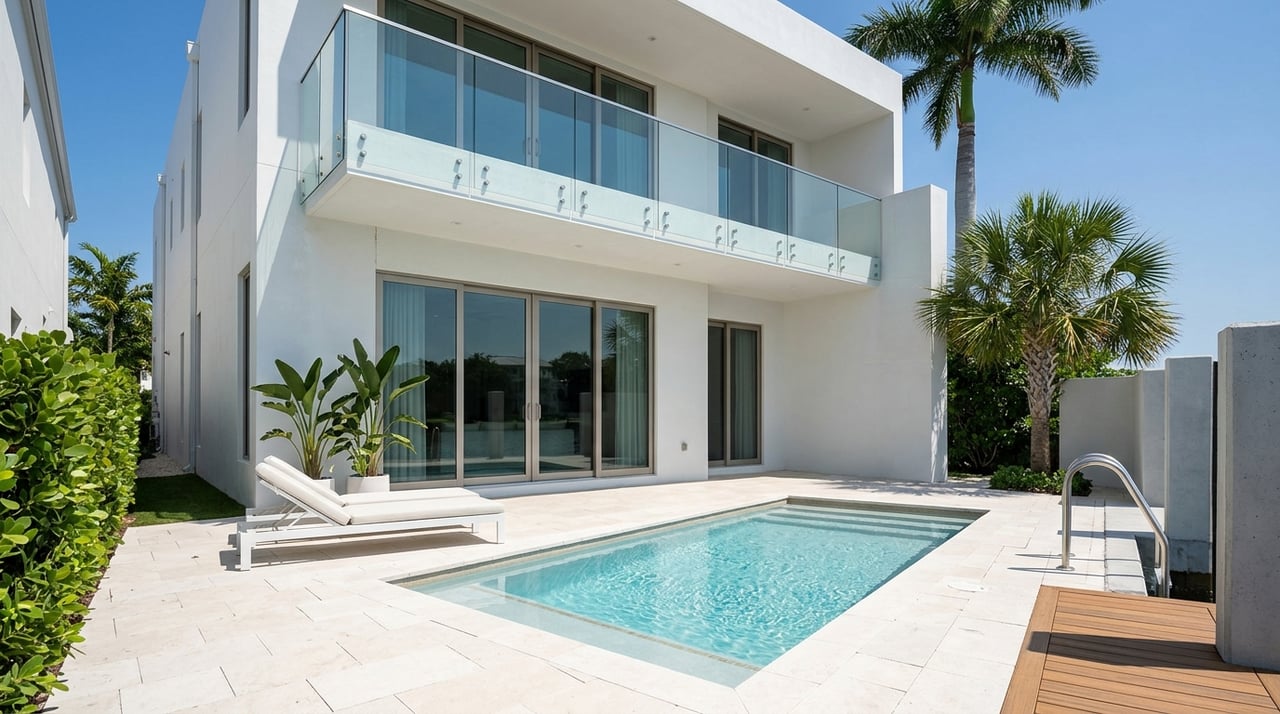
What makes one Sunset Islands waterfront home command a dramatically higher price than another just a few doors away? In this part of Miami Beach, the answer is rarely just square footage or a beautiful kitchen. If you are buying, selling, or simply tracking values in Bayshore’s Sunset Islands micro-market, it helps to know which features the market rewards most and why. Let’s dive in.
Sunset Islands Is a True Micro-Market
One of the biggest mistakes in valuing a waterfront home here is treating Sunset Islands like a single, uniform neighborhood. The City of Miami Beach lists Bayshore, Sunset Islands I & II, and Sunset Islands III & IV separately in its neighborhood association directory, which reflects how nearby pockets can attract different buyer demand and different comp sets.
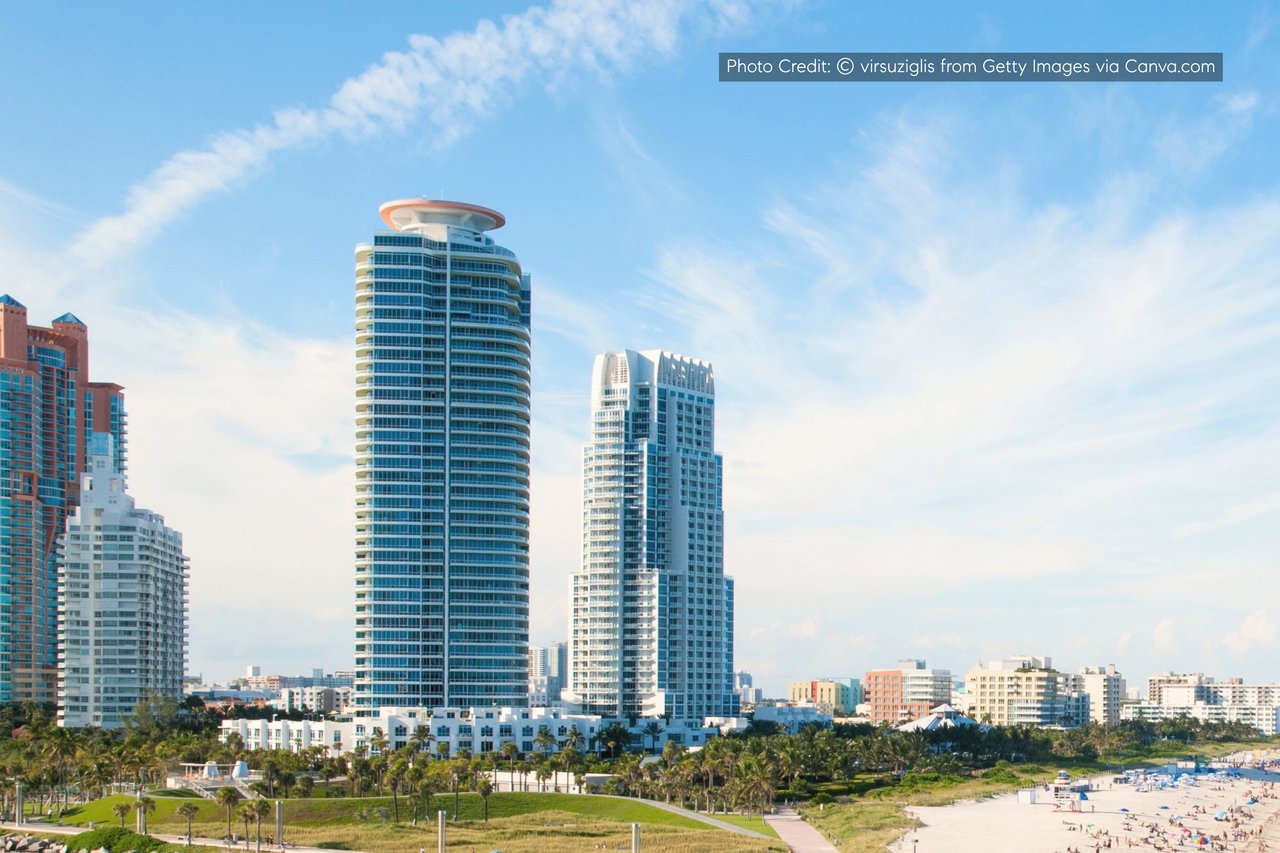
That distinction matters because Sunset Islands operates as an ultra-luxury waterfront micro-market. Miami REALTORS’ Q1 2026 report placed Miami Beach’s single-family luxury threshold at $30.0 million and its ultra-luxury threshold at $32.6 million, while recent reporting highlighted a $35 million Sunset Islands sale and a bayfront compound listed at $110 million.
At the same time, public sold data shows a very wide range of closed prices, from under $4 million to more than $50 million. That spread tells you something important: the neighborhood name alone does not set value. The lot, the water, the condition, and the future potential all shape the final number.
Waterfront Geometry Often Sets the Ceiling
In Sunset Islands, the parcel’s relationship to the water often drives value more than the interior finishes do. Peer-reviewed appraisal research shows that water views and direct waterfront position are priced into property values, with the strongest premium closest to the water.
For you as a buyer or seller, that means point lots, wider waterfront frontage, and stronger open-water exposure usually sit at the top of the value ladder. Buyers are not just paying for a house. They are paying for view corridors, privacy, dock flexibility, and in some cases the option to redevelop a premier site later.
Two homes with similar interior square footage can land in very different price bands if one has a stronger water orientation. A more modest house on a superior lot can sometimes outperform a prettier house on a less compelling stretch of waterfront because the site itself carries lasting scarcity.
Why Frontage Width Matters
Wider frontage can improve both the experience and the economics of a waterfront property. It can create broader bay views, more flexible dock planning, and a more impressive overall sense of scale from the water side.
In a market where buyers value boating, entertaining, and visual impact, frontage width can push a property into a stronger competitive set. That is one reason neighboring homes can sell at very different prices even when they share the same island address.
Why Point Lots Draw Premium Attention
Point lots tend to stand out because they can offer expanded views, more dramatic exposure to the bay, and a stronger trophy feel. In an ultra-prime market, those intangible lifestyle benefits often translate into real pricing power.
They may also offer a different redevelopment story than an interior waterfront lot. When buyers see exceptional exposure and scarce lot geometry, they may value the property as much for its future potential as for the current home.
Boating Access Is a Real Value Driver
Not all waterfront is equally usable for boating, and sophisticated buyers know that. On Sunset Islands, boating utility can materially affect both value and marketability.
NOAA’s Coast Pilot notes that Sunset Harbor Channel has a controlling depth of 6 feet, with lesser depths to 3 feet near Miami Beach Channel Daybeacon 30. Miami Beach code also references a blind corner near the Sunset Harbor Yacht Club Marina where visibility is obstructed along the channel between Biscayne Bay and Sunset Island IV.
What does that mean for you? It means you should never assume dock access, depth, or ease of approach based only on the neighborhood name. A property’s boating appeal should be verified lot by lot, because a great-looking waterfront address may not offer the same practical boat access as the next one over.
Dockability Is Not One-Size-Fits-All
A dock is not valuable simply because it exists. Its usefulness depends on water depth, approach conditions, vessel requirements, and how comfortably a buyer can navigate in and out.
That is why boating buyers often look closely at waterfront geometry and channel approach before they focus on finishes inside the home. For some purchasers, easy water access is part of the lifestyle package, and for others, it is central to the value proposition.
Condition Changes the Price Band
Once the lot and water characteristics are understood, the next major value driver is the built product itself. Fannie Mae’s guidance separates factors like site, view, and flood zone from condition and construction quality, which reinforces an important point: a renovated home and a superior lot are not interchangeable value drivers.
In practical terms, Sunset Islands homes often fall into three broad market stories:
- Land or teardown value
- Major renovation opportunity
- Turn-key trophy property
If the lot is exceptional, an older home may still trade primarily as a land-value opportunity. On the other hand, a truly turn-key renovation can command a premium because it lowers execution risk and offers immediate usability.
A Beautiful Interior Has Limits
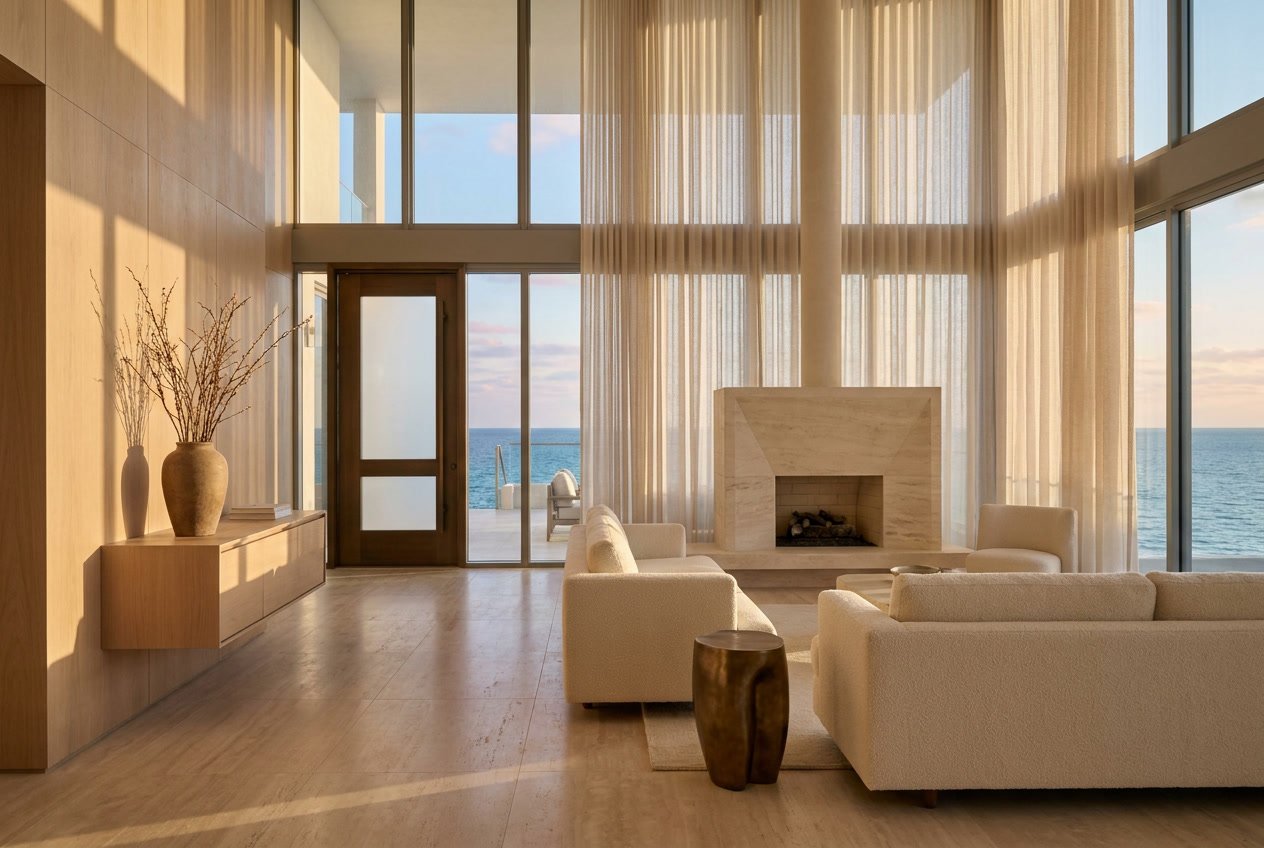
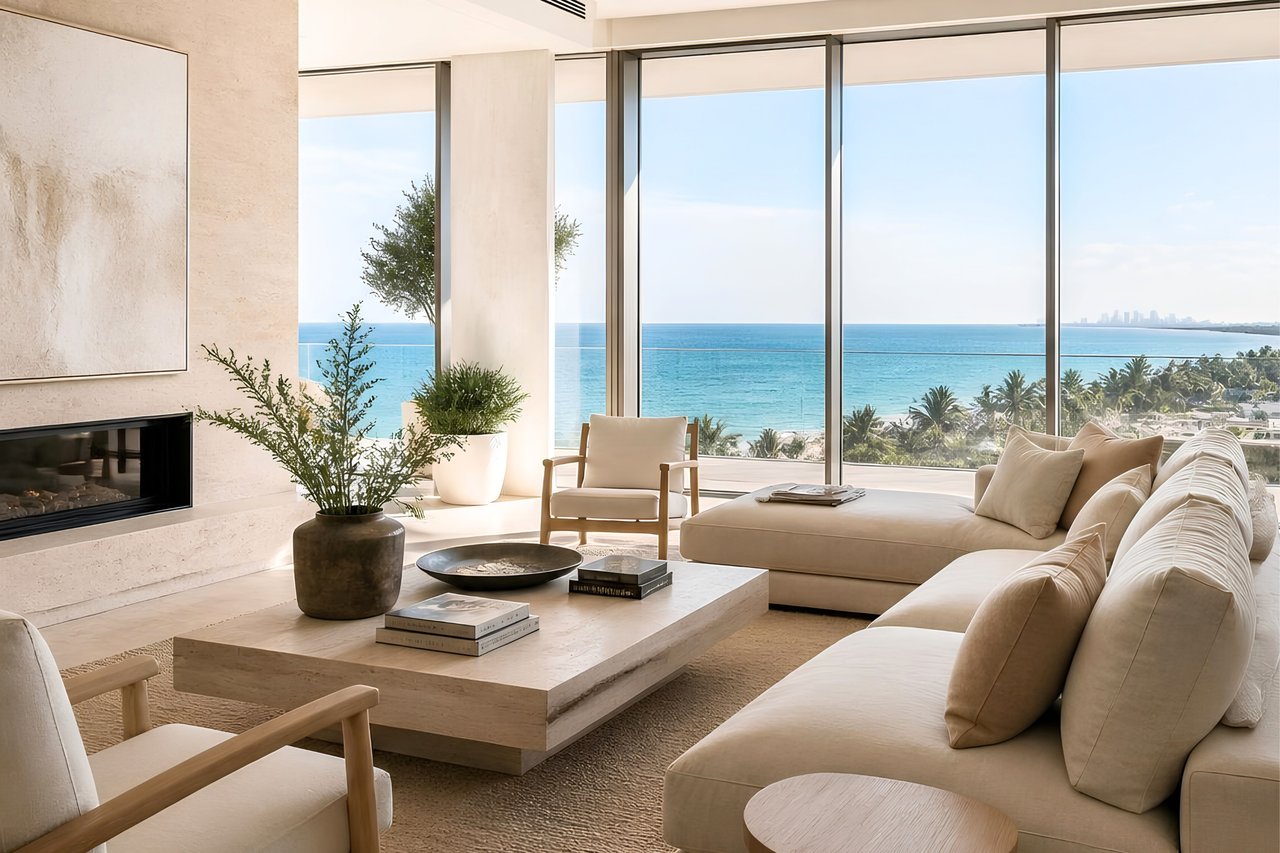
A refined interior can absolutely boost demand, especially in a luxury market where buyers want immediate enjoyment. But a polished renovation does not erase limitations tied to lot size, water exposure, boating utility, or flood profile.
That is why a better lot can matter more than a prettier interior. The house can be improved over time. The site characteristics usually cannot.
Flood Profile Matters in Miami Beach
Flood resilience is not a side note in this market. Miami Beach states that the city is low-lying and vulnerable to flooding from heavy rainfall, high tides, and storm surge, and that 93% of buildings are in the Special Flood Hazard Area under current FEMA maps.
For buyers, that means flood-related due diligence is part of understanding true value. For sellers, it means a home’s elevation, compliance posture, and resilience features can affect both pricing discussions and marketability.
Miami Beach also notes that elevation certificates may help show a home is at or above the required flood design elevation and may reduce insurance premiums. The city further explains that the 50% rule can trigger elevation compliance after a substantial improvement or substantial loss.
Renovation Does Not Cancel Flood Considerations
A renovated home may show beautifully and sell well, but flood factors still matter. Condition can support pricing, yet it does not remove questions about elevation, insurance costs, or future compliance obligations.
That is especially relevant in Sunset Islands, where waterfront demand is strong but buyers at this level tend to underwrite risk carefully. In other words, luxury presentation helps, but resilience still counts.
Infrastructure Can Influence Perception
Value is not driven only by the house and lot. Public infrastructure can also shape buyer perception, especially in a waterfront setting where reliability matters.
The City of Miami Beach is upgrading water and sewer infrastructure in Sunset Islands II and III, with anticipated completion in July 2026. Projects like this can create short-term inconvenience for access or showings, but they are often viewed as long-term improvements to utility service and neighborhood function.
For owners thinking about timing, that can be an important pricing and marketing consideration. For buyers, it is part of evaluating not just today’s experience, but the long-term quality of the asset.
Why Neighboring Sales Can Differ So Much
If you have ever wondered why two nearby Sunset Islands homes sold at very different prices, the answer usually comes back to direct comparability. Appraisal guidance calls for comps that are similar in site, room count, finished area, style, condition, flood zone, and other relevant factors, with adjustments for differences where needed.
In a micro-market like this, broad Miami Beach averages can miss the story. The strongest comps are usually from the same island cluster and with similar waterfront character, because the market is often pricing the water relationship more than the ZIP code.
That is also why using a nearby sale without understanding its lot geometry or boating utility can lead to the wrong conclusion. Same neighborhood is just the starting point, not the full analysis.
What Buyers and Sellers Should Watch Closely
If you are evaluating a Sunset Islands waterfront property, focus on the features the market tends to reward most:
- Waterfront frontage and lot geometry
- Open-water exposure and view corridors
- Dockability and actual boating access
- Condition and renovation quality
- Flood profile, elevation, and resilience
- Redevelopment or land-value potential
- Infrastructure context in the immediate area
When you line those factors up clearly, the pricing spread across Sunset Islands starts to make more sense. The highest values are usually tied to a rare mix of superior site characteristics, strong water utility, and a finished product that matches the expectations of the ultra-luxury buyer pool.
The Real Bottom Line on Value
In Sunset Islands, home values are driven less by a generic Miami Beach address and more by how each parcel interacts with the water. The lot often sets the opportunity. The house then either enhances that opportunity or limits it.
If you are preparing to buy or sell in this market, a surface-level comp review is rarely enough. You need to understand whether the market is pricing the property as land, as a renovation story, or as a turn-key trophy asset, and how frontage, exposure, boating utility, and flood profile all shape that result.
For a discreet, highly tailored perspective on Sunset Islands and other Miami Beach waterfront opportunities, schedule a private consultation with Carlo Dipasquale.
FAQs
What drives Sunset Islands waterfront home values the most?
- The biggest drivers are usually lot geometry, waterfront frontage, open-water exposure, boating utility, flood profile, and the condition of the home.
Why can two Sunset Islands homes sell for very different prices?
- Two nearby homes can sell far apart because appraisers and buyers adjust for differences in site size, view, condition, flood zone, dockability, and overall water relationship.
Does a renovated Sunset Islands home always beat an older home on price?
- Not always. A fully renovated home can command a premium, but an older home on a superior waterfront lot may still be worth more if the site offers better frontage, exposure, or redevelopment potential.
Does boating access affect Sunset Islands property value?
- Yes. Water depth, channel approach, and dock usability can all affect how buyers value a waterfront property, especially in a boating-oriented luxury market.
Do flood factors matter for Sunset Islands buyers and sellers?
- Yes. Miami Beach’s flood conditions, elevation issues, insurance considerations, and compliance requirements can influence both marketability and value.
Is Sunset Islands one market or several smaller ones?
- It is best understood as a micro-market with distinct island clusters and buyer pools, not one interchangeable block of Miami Beach waterfront homes.