The short answer
Sellers ask me this constantly, and they usually expect me to pick a side. I won't, because in Miami Beach the honest answer depends on the house, the block it sits on, and who is realistically going to write the check. A Sunset Islands waterfront estate and a two-bedroom at Continuum play by different rules, and treating them the same is how sellers leave money on the table. Here is how I actually think it through.
What "off-market" means at Compass
An off-market property is not broadly advertised. It reaches qualified buyers through direct relationships, referrals, and targeted outreach instead of a public MLS launch.
At Compass this is a structured tool, not a favor between agents. Through Compass Private Exclusives, I can introduce your home to Compass agents and their buyers nationally while keeping it off public search portals, with no days-on-market clock running and no public price-drop history if we later adjust. For a discreet Sunset Islands or La Gorce seller, that combination of reach and privacy is the whole point.
Read more: What Really Drives Sunset Islands Waterfront Home Values
When a public listing does the heavy lifting
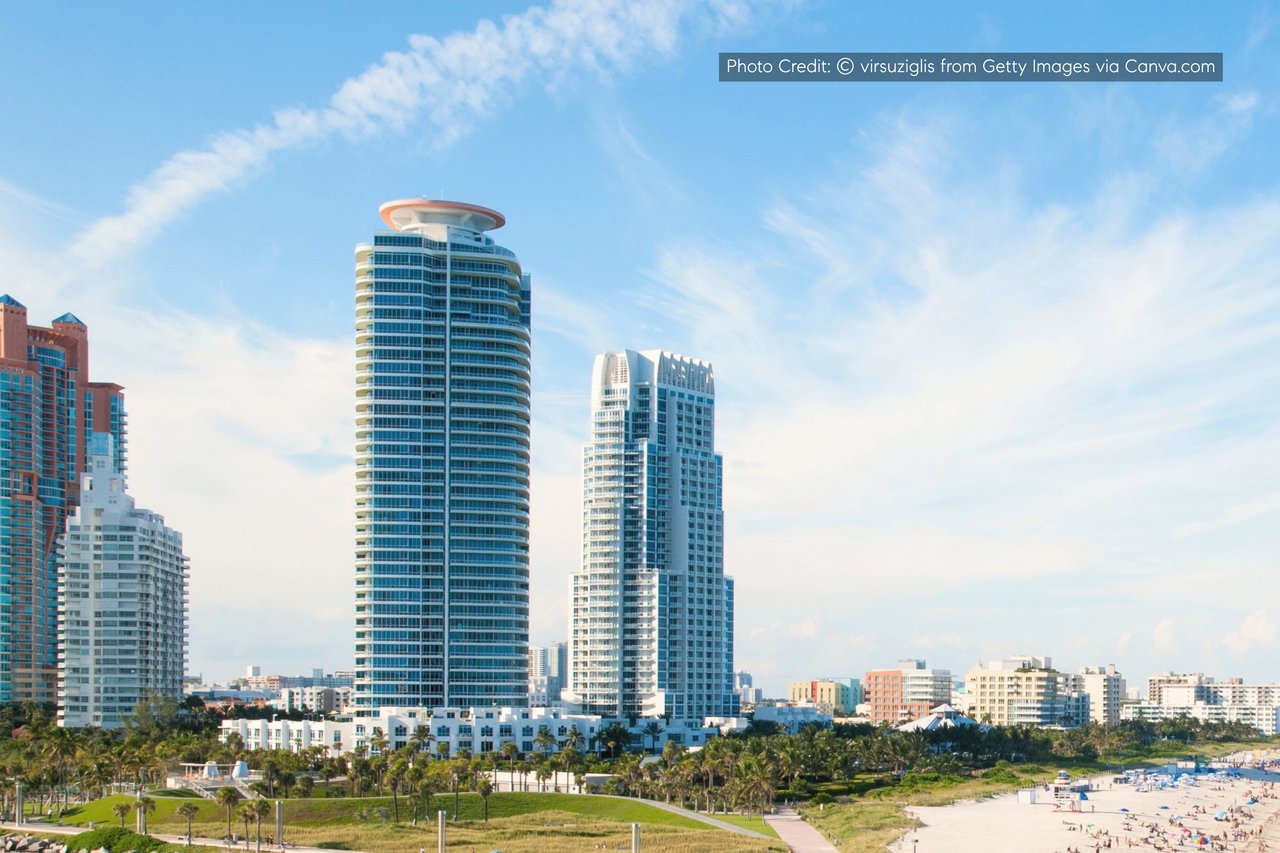
Public exposure earns its keep when a property needs to be seen to be believed. If you have 100 feet of unobstructed Biscayne Bay frontage, a Choeff Levy Fischman renovation, or a corner-stack unit at Continuum South Beach with the views buyers fight over, you want the entire market competing, not a handful of agents who happen to owe me a call back.
Broad visibility also lets buyers benchmark your home against everything else on the water. When positioning, presentation, and price line up, that comparison is what turns interest into a bidding situation.
Two homes, same street, very different numbers
In luxury, the address is only the opening line. On the Venetian Islands or along North Bay Road, two homes a few doors apart can trade for wildly different figures because of frontage width, dockage and draft, western exposure for sunset views, lot orientation, ceiling heights, and renovation quality. A protected dock that fits a 60-foot vessel is worth real money to the right buyer and nothing to the wrong one.
So I don't stop at "what did the neighbor sell for." I ask what makes this specific residence hard to replace, because on the water you cannot manufacture more coastline or move a house closer to the bay.
Off-market does not automatically mean more money
There is a myth that private equals exclusive equals higher price. I don't buy it. A private strategy can shield you from unnecessary exposure and let us approach a narrow, serious buyer pool. It can also mean fewer people ever learn the home exists. Public marketing does the reverse: more eyes, more potential competition, more risk of an on-market grind if we misprice it. Neither is inherently superior. The goal is simply the setting where the right buyer recognizes the value.
Why the buyer profile decides everything
A Miami Beach home might speak to a primary resident, a snowbird second-home buyer, a Latin American or European purchaser, or an investor. Each reacts differently to the same house at the same number. At a building like Continuum, knowing who is currently buying and what stack, line, and floor they want changes how I position a resale. That read is local, and it is the part no portal gives you.
Read more: Who Buys at Continuum South Beach, and How Should Sellers Position for Them?
Privacy as a strategy, not a limitation
Some sellers simply don't want the neighborhood, or their circle, watching. Compass Private Exclusives lets us test the home quietly first, gauge real feedback, and refine price and presentation before any public debut. If the right buyer surfaces privately, wonderful. If not, we launch publicly with a clean record and no visible history working against us. That optionality is genuinely valuable in a market this specific.
How I decide
I start with the property, not the marketing menu. What is it, where does it sit, what makes it scarce, and who is most likely to buy it? Then I weigh your goals, because a seller who prizes privacy needs a different plan from one chasing maximum competition. I am not going to run a trophy waterfront estate through the same generic process as a standard resale just because that is the default.
Presentation still has to deliver
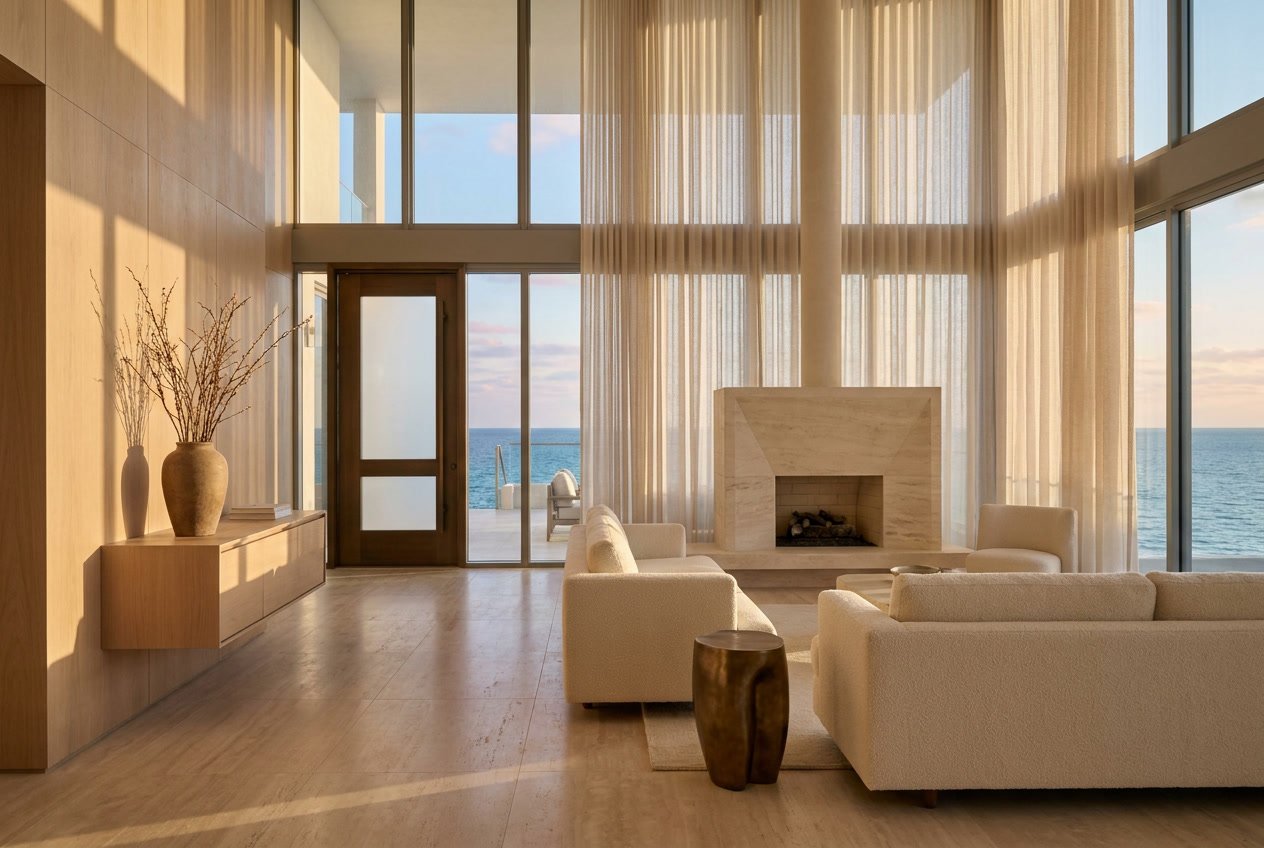
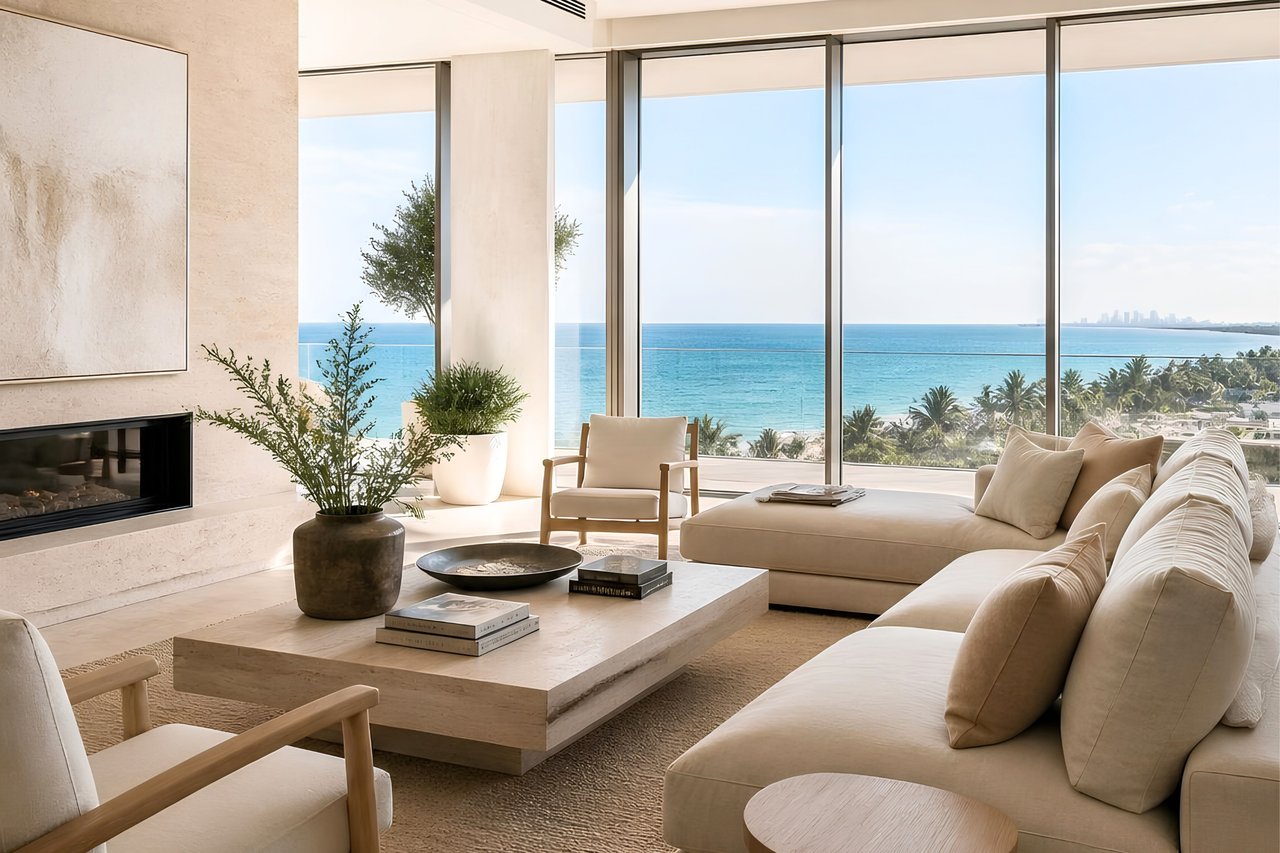
Private or public, the home has to justify the price once a buyer walks in. Luxury buyers respond to architecture, condition, light, landscaping, dockage, privacy, and amenities, not just square footage and comps. Marketing creates the opportunity. The property closes it.
Read more: What Taxes Will You Actually Pay When You Sell a Luxury Home in Miami?
So, which one sells for more?
Neither, by default. Off-market wins when the audience is narrow, qualified, and privacy matters. Public wins when broad exposure and competition add value. The strongest strategy is built around your residence, your buyer, and your objectives, not a preset preference for private or public.
That is where local experience earns its fee. If you are weighing a quiet Compass Private Exclusive introduction against a full public launch, a conversation with Carlo Dipasquale will clarify what actually matters for your home, your circumstances, and the buyers most likely to pay for it. Schedule a 30-minute consultation and let's map the right strategy for your property.
Frequently Asked Questions
Is an off-market home cheaper than a public listing?
Not necessarily. It can be offered at the same price it would command publicly. The difference is in how the home is introduced and how much exposure it gets.
Why would a Miami Beach seller choose off-market?
Privacy, a narrow and highly qualified buyer pool, and the ability to approach serious buyers directly. Through Compass Private Exclusives you also avoid a public days-on-market count and visible price adjustments.
Does a public listing always produce a higher price?
No. Exposure widens the buyer pool but does not guarantee a stronger result. Pricing, presentation, quality, timing, and demand all matter.
How do you decide whether to sell off-market?
I look at location, scarcity, condition, likely buyer profile, current competition, and your priorities before deciding how broadly to market.
Does this apply to waterfront homes?
Especially. Frontage, dockage, views, and lot position cannot be replicated, which makes the buyer pool more specific and the strategy more important.
If you are considering a sale, start by understanding what makes your home distinctive and which buyers will recognize it. From there we build the marketing around the property instead of forcing it into a standard mold.