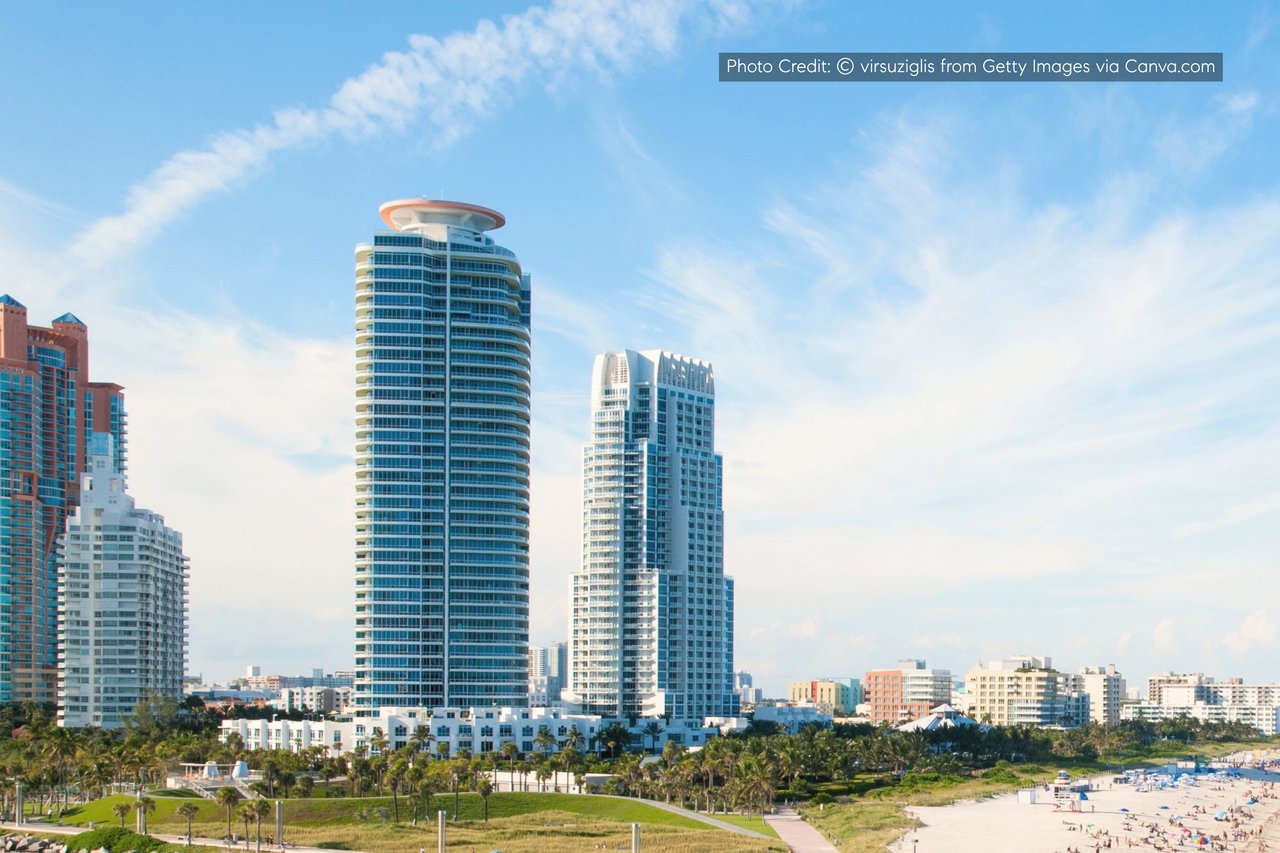

For buyers who value privacy as much as the property itself. This guide covers what the public can see after a purchase, how LLCs and land trusts change that, and where privacy stops.
The Takeaway
Privacy in a Miami-Dade purchase is built in three layers, not with one trick. Structure decides what the public record shows. Process decides who learns about your search before anything is recorded. Discipline decides whether the first two layers hold. It also has limits: deeds are public, and title companies, lenders, and condominium associations will still know who you are. Done well, the public sees an entity or a trustee, and only the people who need your identity have it.
Layer 1: What the Public Record Shows
Every deed is recorded in Miami-Dade County, and the Property Appraiser's website can be searched by address or owner name. Anyone can look up a home, see who holds title, and see its sales history. Whatever name is on the deed is the name the world sees.
Many privacy-minded buyers therefore take title through a structure rather than in their own name. The two I see discussed most are the LLC and the land trust.
The LLC puts a company name on the deed. It also offers liability separation and flexibility for succession. An LLC is not the same as anonymity, though. Florida's public business registry lists a company's registered agent and its managers or authorized persons, so the people named there can be traced. Who gets listed is a decision to make with your attorney before closing.
The land trust is recognized under Florida law. A trustee holds title, and the beneficiary's identity stays off the deed. Your choice of trustee matters, because that name becomes the public face of the purchase.
One tradeoff buyers often overlook is homestead. Title held by an LLC generally does not qualify for Florida's homestead exemption. A properly structured trust can, for a primary residence. If you will live in the home, settle that question with your attorney and tax advisor before you choose the structure.
Read more: Privacy matters on the way out as well as on the way in. See Selling a Bal Harbour Condo With Maximum Discretion
Layer 2: The Part No One Sees, Your Process
A good structure doesn't help if the search itself is loud. Much of the real privacy work happens before a deed exists.
- Start with an advisor or entity. The first inquiry, the showings, and the offer can all go through your representative instead of your personal name.
- Look beyond public listings. The most private homes often never reach a portal. Read how that works in Off-Market or Public Listing: Which Sells Your Miami Beach Home for More?
- Close without the spotlight. Closings can often be handled through attorneys, powers of attorney, or remote online notarization, so principals don't have to be in the room.
- Ask about the building early. Condominium associations can have their own application and approval process. In my view, the buyers who get surprised are the ones who asked about it last.
Layer 3: What Privacy Does Not Do
Privacy from the public is not secrecy from regulators. Title companies, banks, and closing attorneys verify identity on every transaction, and they should.
The federal rules for all-cash purchases through entities have also been in flux. According to FinCEN, a federal court in Texas vacated its nationwide residential reporting rule in March 2026. Reporting is not currently required, but the government has appealed, so requirements could return. Your attorney and title company will know where things stand when you close.
My view is simple. Legitimate privacy comes from structuring with professionals, and it holds up because nothing is hidden from the people entitled to see it. I will not recommend a structure that depends on avoiding scrutiny.
What Buyers Are Asking Right Now
Can a Miami luxury home be bought completely anonymously? No. You can control what the public record shows, but verification still happens behind the scenes. The goal is discretion, not invisibility.
Is an LLC or a land trust better for privacy? It depends on your plans. A land trust keeps beneficiaries off the deed. An LLC offers liability separation. Homestead eligibility, taxes, financing, and the building's rules all affect the choice, so decide with legal and tax counsel.
Does buying through an entity affect financing? It can. Lenders often have their own requirements for entity and trust borrowers, so raise it before you write an offer.
Strategic Positioning for Buyers
- Choose the structure before you search. Changing it mid-contract is slower and louder.
- Name your trustee or manager deliberately. That name becomes your public face.
- Check homestead before you sign. Privacy and the exemption can pull in opposite directions.
- Keep the search quiet. Use an advisor or entity from the first inquiry.
- Ask about the building's approval process. Do it early.
- Treat compliance as part of the plan. It protects you as much as anyone.
Final Perspective
A private purchase isn't built on anonymity. It's built on deliberate choices: who holds title, who is named on the public record, who knows about the search, and who is in the room at closing. I live and work in Miami Beach, and I believe discretion is a responsibility, not a courtesy. Get the layers right and the public sees very little, while everyone who needs to know is properly informed.
Work With Carlo Dipasquale
If you're considering a purchase in Miami Beach, Fisher Island, Bal Harbour, or elsewhere in Miami-Dade and want it handled with discretion, connect with Carlo Dipasquale for a private conversation about your goals and how to approach the process.
FAQ
Is buying a Miami home through an LLC private? Partly. The deed shows the company name, but Florida's business registry lists managers or authorized persons, so true privacy depends on how the LLC is set up.
What is a land trust in Florida real estate? It's an arrangement in which a trustee holds title and the beneficiary's name stays off the recorded deed. It is commonly used by buyers who want less visibility.
Can I close on a Miami home without being there? Often, yes. Attorneys, powers of attorney, and remote online notarization can allow principals to close without attending in person.
Will an LLC or trust affect my homestead exemption? It can. Title in an LLC generally doesn't qualify, while a properly structured trust may. Confirm with an attorney before closing.
This article is general information, not legal, tax, or financial advice. Entity, trust, homestead, and federal reporting rules change, so consult a qualified Florida real estate attorney and tax advisor before structuring a purchase. Carlo Dipasquale is a real estate agent affiliated with Compass.