What if a beach address felt like a private resort, a gardened shopping promenade, and a calm residential village all in one? If that sounds like your pace, Bal Harbour may be exactly what you are looking for. This tiny, self-governed enclave at the tip of the Miami Beach barrier island is designed for a polished, service-first lifestyle. In this guide, you will see how planning, retail, and building scale come together to create a different rhythm than neighboring beach towns. Let’s dive in.
What makes Bal Harbour feel different
Bal Harbour is best understood as a small, carefully run village that trades density for a curated experience. Locals often describe it as about one square mile with a small permanent population, and the village’s own fact sheet underscores its boutique scale and identity as a luxury seaside community (Village of Bal Harbour fact sheet). The single most visible anchor is Bal Harbour Shops, an open-air luxury retail campus that draws international attention and serves as the daily social heart for residents (Bal Harbour Shops history). That combination of small footprint and outsized retail presence sets the tone before you even reach the beach.
Planned layout you can feel
Two-part layout along Collins Avenue
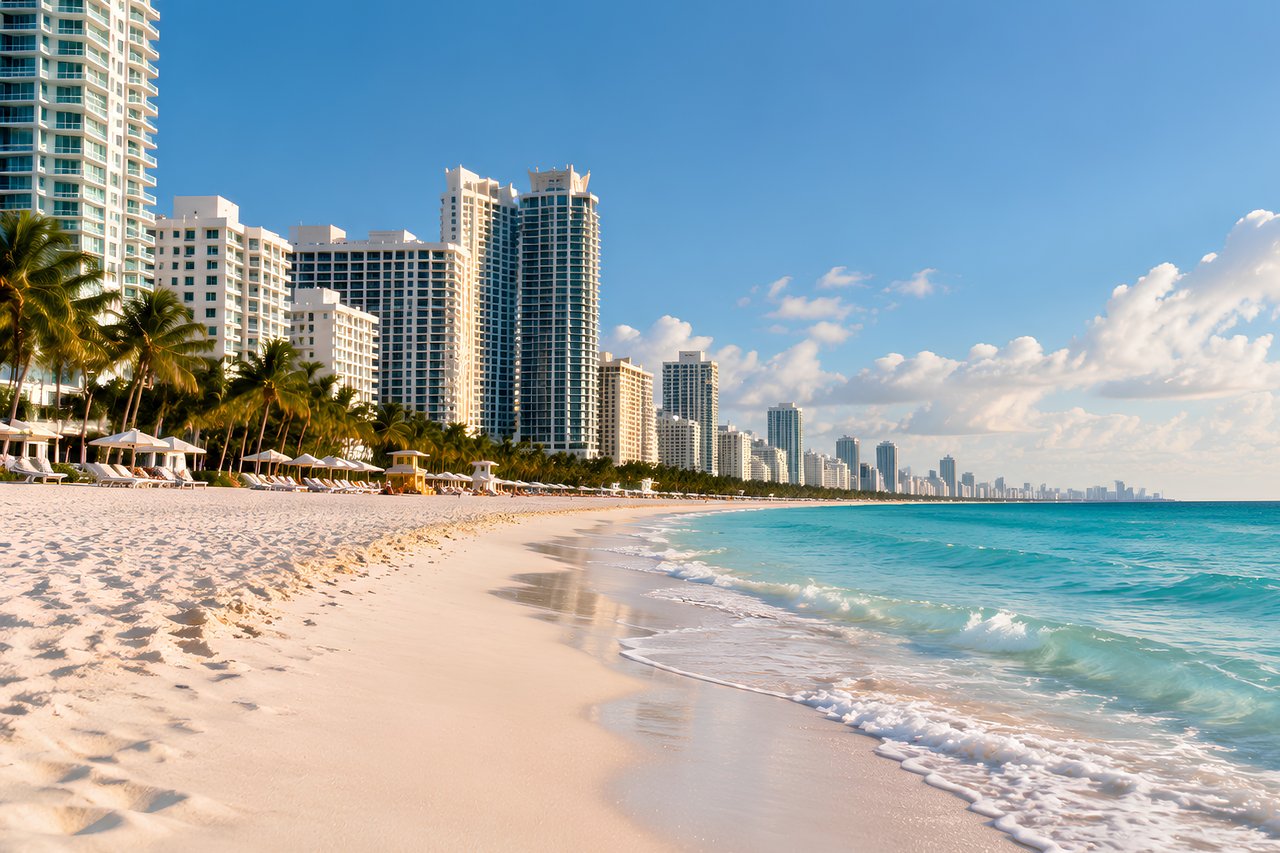
Bal Harbour reads as deliberately composed. The oceanfront side of Collins Avenue holds a collection of high-service residential towers and hotels facing the sand, while the Shops occupy a concentrated parcel on the west side of Collins, forming the primary public and commercial node (Village of Bal Harbour fact sheet). This pairing creates a simple daily pattern for residents: beach and hotel services to the east, gardened promenades and dining to the west. The result is a village-scale environment that feels contained and intentional.
Mid-to-high-rise scale, not super tall
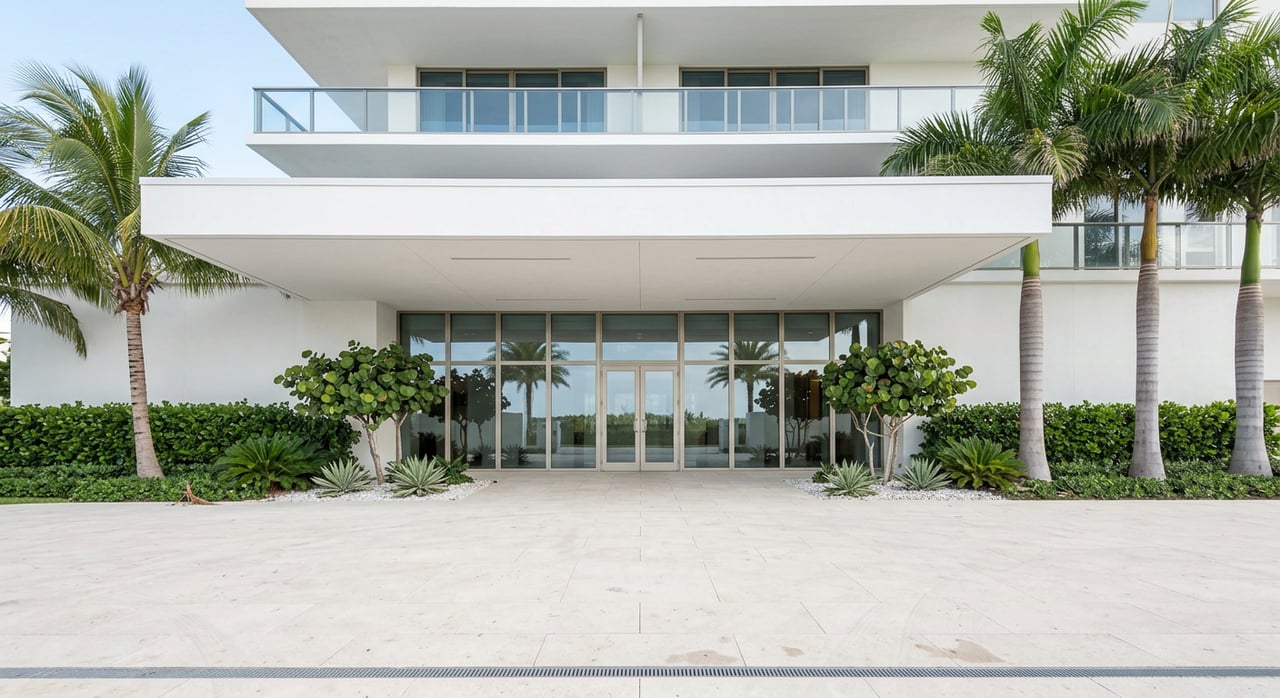
On the oceanfront, you will find luxury towers in the mid-to-high-rise range rather than a skyline of supertalls. Recent standouts like Oceana and the St. Regis emphasize large amenity parcels, artful landscapes, and hotel-level services over sheer height (Oceana Bal Harbour overview). Contrast that with Sunny Isles to the north, where developer-branded skyscrapers often run 50 stories or more along a continuous corridor (Sunny Isles corridor context). Bal Harbour’s different scale helps it feel quieter and more polished at street level.
Room to grow is limited
Bal Harbour’s local zoning supports high-rise luxury uses along the ocean, with filings citing maximum heights around 300 feet in the Ocean Front District. At the same time, the village is largely built out, so most new product comes via redevelopment or on existing commercial parcels. That mix of permissive heights and limited land supply explains why Bal Harbour can feel tall in moments but remains tightly contained overall (Legal filing reference on zoning).
A lifestyle built around service
Bal Harbour Shops as the daily anchor
The Shops are low-rise, lush, and open-air, with more than 100 boutiques and destination dining that deliver some of the highest sales per square foot in the country (Bal Harbour Shops history). For residents, it functions as a refined town square where errands, coffee, and dinner all happen within a landscaped, gallery-like setting. The center has been undergoing a major enhancement program, adding significant retail space and upgraded public areas. That ongoing investment keeps the village’s public realm crisp and current.
Hotels and branded residences shape the experience
Hotels and branded residences define how day-to-day life feels. Properties like the St. Regis and The Ritz-Carlton set expectations for concierge service, spa and dining access, and private beach amenities, and many neighboring residential towers mirror that hotel-like approach to services (Village of Bal Harbour fact sheet). For owners, this translates to easy maintenance, on-demand assistance, and a refined hospitality mindset across the village. It is a turnkey lifestyle that resonates with pied-à-terre buyers and full-time residents alike.
Beach, walkability, and calm
Bal Harbour’s shoreline is calm and well maintained, with many buildings offering resident beach services. Public access is nearby as well, including Haulover Park just to the north, which supports the area’s balanced approach to privacy and openness (Village of Bal Harbour fact sheet). Walkability is strongest around the hotel strip and the Shops. Outside those nodes, blocks get quieter, which is exactly the point for many buyers.
Who Bal Harbour suits
Bal Harbour tends to attract a few clear buyer profiles. Think affluent lock-and-leave owners who want seamless, service-driven living, upper-income primary residents seeking a calm seaside base with top-tier retail, and international buyers who value privacy, branded residences, and global luxury access. Market overviews and developer materials often note meaningful interest from cash and international purchasers (buyer profile overview). If this sounds like you, the village likely fits your pace.
Inventory dynamics and rental nuance
With a small condo stock and generally low turnover, the market skews to the luxury end. Few greenfield sites remain, so change often appears as redevelopment or expansion tied to the Shops, which helps keep the overall environment contained (buyer profile overview). Many older towers have longer minimum rental periods, which lowers transient traffic. Select newer or boutique options, such as Beach Haus Bal Harbour, may allow more flexible stays, so you will want to confirm building-level rules before deciding on an investment or part-time use (Beach Haus example).
How Bal Harbour compares nearby
- Bal Harbour vs. Surfside: Surfside reads more residential in stretches, with smaller-scale shopping and a traditional town center. Bal Harbour is defined by a single global luxury retail campus and a string of full-service oceanfront towers, giving it a more service-oriented daily rhythm (market comparison context).
- Bal Harbour vs. Sunny Isles: Sunny Isles is a branded high-rise corridor with many super-talls, while Bal Harbour favors a curated set of mid-to-high-rise luxury towers with generous amenity parcels and a village-scale public realm (Sunny Isles corridor context).
- Bal Harbour vs. Miami Beach: Miami Beach neighborhoods mix retail, nightlife, and year-round residential energy. Bal Harbour is intentionally calmer, focusing on daytime retail, hotel services, and a refined, curated streetscape (Village of Bal Harbour fact sheet).
What to watch next
A major storyline is the proposed expansion of Bal Harbour Shops under Florida’s Live Local Act. The plan, as reported, includes hundreds of residential units, workforce housing, a boutique hotel, and additional retail, and it has prompted village pushback, council actions, and legal filings (Live Local Act coverage). How this is resolved will shape future height, density interpretations, and the overall growth pattern. For buyers and owners, it is the development to monitor because it touches the village’s central identity and public realm.
Finding your fit in Bal Harbour
If you want a refined, turnkey life where your morning walk might be a beachfront stroll followed by coffee under palms at the Shops, Bal Harbour delivers. Your decision then becomes about building feel and services: a branded hotel residence with full staff, a quiet luxury tower with deep amenities, or a boutique option with flexible use. With limited inventory and nuanced building rules, working with a local advisor who knows each tower’s policies, assessments, and service culture is key. When you are ready, schedule a private consultation with Carlo Dipasquale to map the right Bal Harbour fit for how you live and invest.
FAQs
What makes Bal Harbour different from other Miami beach towns?
- It is a small, self-governed village anchored by the open-air Bal Harbour Shops and a collection of hotel-level oceanfront towers, which creates a curated, service-first lifestyle (Bal Harbour Shops history).
Is Bal Harbour walkable for daily errands and dining?
- Yes in key areas; the hotel strip and Bal Harbour Shops are very walkable, while other blocks are quieter and more car-oriented by design (Village of Bal Harbour fact sheet).
Does Bal Harbour work as a pied-à-terre or a full-time home?
- It can serve both well; many buildings support lock-and-leave living with concierge services, while a subset suits full-time residents who want a calm, retail-anchored address (buyer profile overview).
How do condo rental rules affect investing in Bal Harbour?
- Older towers often require longer minimum leases that reduce transient traffic, while select newer or boutique options may allow shorter stays, so review building rules before buying (Beach Haus example).
What is happening with the Bal Harbour Shops expansion under the Live Local Act?
- The owner proposed adding residential units, workforce housing, a boutique hotel, and more retail, which has spurred local debate and legal actions; outcomes could shape future growth patterns (Live Local Act coverage).