
If you are buying on Fisher Island from abroad, the real challenge is usually not finding the right residence. It is navigating a private-island purchase with cross-border financing, legal review, security access, and closing logistics all moving on the same timeline. The good news is that with the right preparation, you can make the process far more efficient and far less stressful. Here is what you should know before you buy on Fisher Island as an international buyer.
Why Fisher Island requires extra planning
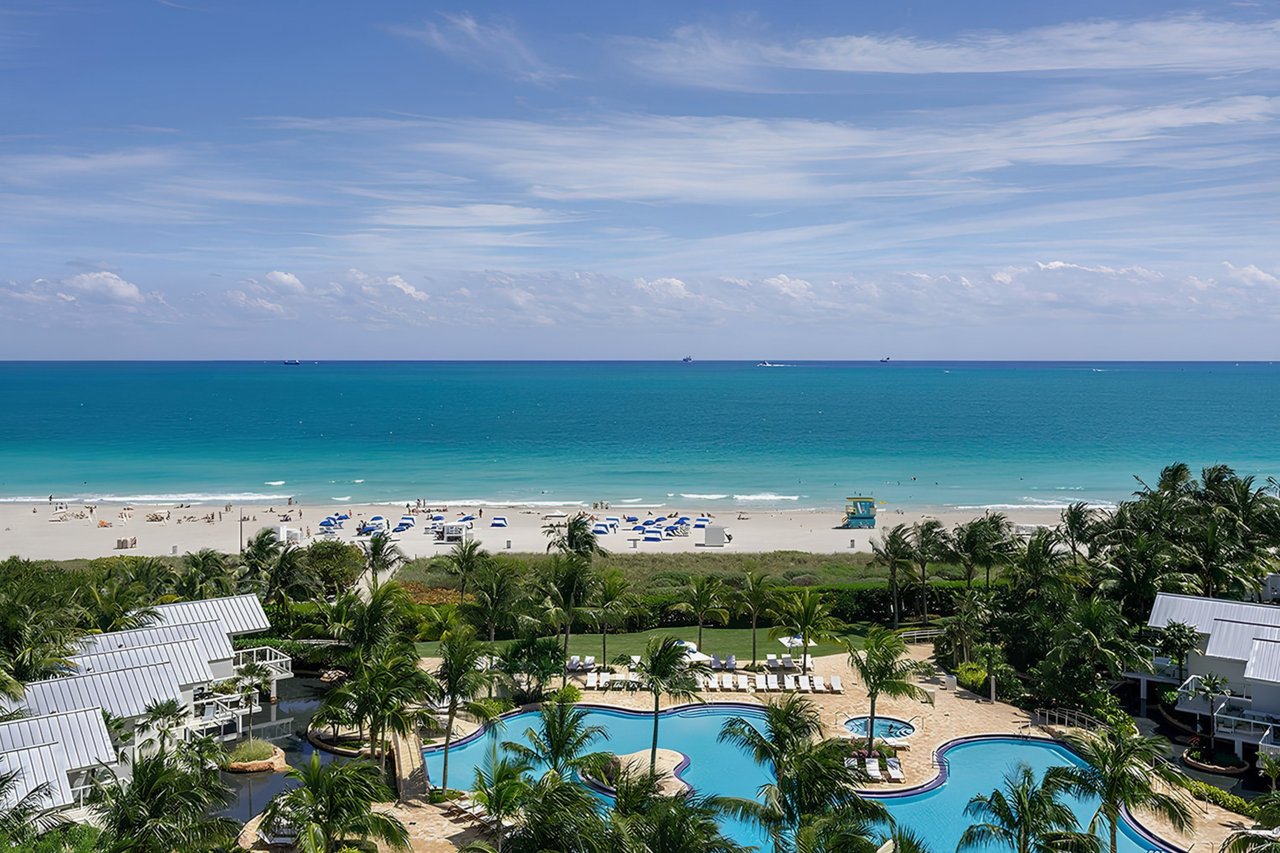
Fisher Island is not a typical Miami-Dade purchase. According to the Fisher Island Club, the island spans about 216 acres, includes roughly 800 residences, and is accessible only by ferryboat or private yacht. The club also notes that the mainland ferry terminal operates 24 hours a day and that guests need pre-arranged security clearance.
For you as an international buyer, that affects more than arrival logistics. It can shape how showings are scheduled, when inspectors can access the property, how vendors coordinate deliveries, and how move-in planning is handled after closing. On Fisher Island, details that might feel routine elsewhere often need to be arranged in advance.
Understand membership before you close
A Fisher Island purchase can involve more than real estate ownership alone. The club’s membership page states that Equity Membership is available to property owners and extends to the primary member, spouse, and dependent children under 24, with optional golf privileges and access to amenities such as the beach club, marinas, tennis, spa, and dining.
That makes membership review an important part of your due diligence. Before closing, you should confirm what rights transfer with the specific residence, what dues apply, and what family privileges are included. Those details can directly affect how you plan to use the property.
Start with financing and legal review
If you plan to finance your purchase, prequalification should come first. HSBC’s international borrower program says its process begins with prequalification and does not require U.S. credit history for its international programs. It typically asks for proof of identity, income, and assets.
At the same time, legal review matters early. The Florida Bar’s home buying guidance recommends having your own lawyer review the contract before you sign, especially if the transaction is unusual or if you are buying through a trust, company, or other entity. For international buyers, that step can help clarify signing authority, timelines, contingencies, and title-related issues before they become expensive problems.
Build your lender file early
Cross-border purchases often move more smoothly when your documents are organized before you begin negotiating. HSBC’s international borrower mortgage checklist includes items such as:
- Passport
- Valid U.S. visa, unless you are in the Visa Waiver Program
- International credit report form
- Two years of employment history
- Two years of residency history
- Bank statements
- Proof of the original deposit
- Realtor and attorney contact details
HSBC also states that mortgage materials are in English, negotiations must take place in English, and translated documents may be available if needed. If you are moving funds across borders, starting this paperwork early can save valuable time later.
Confirm who can sign for the buyer
If you are purchasing through a trust or company, do not leave signing authority for the end of the transaction. The Florida Bar advises addressing entity and trust issues at the contract stage, along with survey, title, inspection, financing contingency, and closing deadline questions.
In practical terms, this means verifying exactly who has authority to sign purchase documents and closing documents on behalf of the buying entity. If those records are incomplete or inconsistent, closing can be delayed even after the property is under contract.
Look beyond the residence itself
Due diligence on Fisher Island should cover the residence, the building, and the legal status of the property. The Florida Bar recommends reviewing survey, title, insurance, inspection, zoning, permit, and municipal lien issues. It also notes that a municipal lien search is a prudent way to uncover open permits or violations.
For condominium or cooperative purchases, the Bar also flags disclosures related to milestone inspection reports and structural integrity reserve studies, when applicable. For an international buyer, this broader review is especially important because you may not be in Miami full-time to monitor post-closing issues in person.
Know what financing can change
A financed purchase is often more document-heavy than an all-cash transaction. HSBC explains that final approval depends on a satisfactory purchase contract, appraisal, title report, and completion of all conditions in the commitment letter. It also notes that international borrowers may use some assets held outside the U.S. to satisfy loan requirements, but purchase funds must be in a U.S. bank account for its programs.
That requirement can affect your closing timeline. Cross-border transfers, currency movement, bank compliance, and document translation can become the slowest parts of the deal. If timing is important to you, these steps should be mapped out early.
Review closing costs carefully
Before closing, make time to compare your loan documents line by line. The Consumer Financial Protection Bureau says lenders must provide the Closing Disclosure three business days before the scheduled closing date. The form breaks out closing costs, cash to close, taxes, insurance, and escrow items.
The CFPB also notes that cash to close is usually paid by cashier’s check or wire transfer. The Florida Bar adds an important warning here: independently verify wiring instructions, since wire fraud is a common risk in real estate transactions. For international buyers sending large sums, that extra verification step is essential.
Plan for taxes and ongoing costs
Owning on Fisher Island means budgeting for more than the purchase price. The Miami-Dade Tax Collector states that real estate taxes become delinquent on April 1 if unpaid. Depending on how your purchase is structured, taxes and insurance may be escrowed by the lender, while other property-related costs are handled separately.
You should also account for club dues and other recurring ownership expenses. The Fisher Island Club membership page states that equity membership is tied to ownership and includes preferred member dues. Understanding these recurring costs upfront helps you evaluate the full carrying cost of ownership.
Know the homestead rules
Some international buyers ask whether they can claim a Florida homestead exemption right away. The Miami-Dade Property Appraiser guidance cited in the research makes clear that homestead is for a permanent primary residence and requires U.S. citizen or permanent resident status and Florida residency as of January 1, with applications due by March 1.
For many international buyers, that means homestead is usually not part of the initial ownership plan unless residency status changes later. This is one reason tax planning should be part of your pre-purchase conversations.
Check foreign ownership restrictions early
Florida has separate ownership restrictions for certain foreign principals. Under current Florida Statute 692.203, some foreign principals are restricted from owning or acquiring real property within 10 miles of military installations or critical infrastructure facilities, and registration may be required in some situations.
Because the law is highly fact-specific, you should have Florida counsel review whether it applies to your citizenship, domicile, entity structure, and the property location before you go under contract. This is not a detail to sort out after negotiations begin.
Why the right team matters
On Fisher Island, a successful transaction is often a coordination exercise. You may need your real estate advisor, Florida attorney, lender, title or closing agent, and tax advisor working in sync from the very beginning. According to HSBC, support for international transfers and translated documents may be available, while the Florida Bar and CFPB both emphasize careful review and communication throughout the closing process.
For a private-island purchase, that coordination matters even more. Access logistics, membership questions, lender milestones, title work, and funding all need to line up. When your team is proactive, you are better positioned to move with clarity and confidence.
If you are considering a Fisher Island purchase from abroad, working with an advisor who understands luxury inventory, privacy expectations, and cross-border coordination can make the process far more seamless. For discreet, multilingual guidance tailored to your timeline and goals, schedule a private consultation with Carlo Dipasquale.
FAQs
What makes buying property on Fisher Island different for international buyers?
- Fisher Island is a private island accessible only by ferryboat or private yacht, and guest access requires pre-arranged security clearance, so showings, inspections, and move-in logistics usually require more planning than a typical mainland purchase.
What documents do international buyers often need for Fisher Island financing?
- Based on HSBC’s checklist, common documents include a passport, visa if applicable, international credit report form, employment and residency history, bank statements, proof of deposit, and your attorney and realtor contact details.
What should international buyers verify about Fisher Island Club membership?
- You should confirm what membership rights transfer with the specific residence, what dues apply, and which family privileges and optional benefits are included before closing.
What due diligence should international buyers complete for a Fisher Island condo?
- The Florida Bar recommends reviewing survey, title, insurance, inspection, zoning, permit, municipal lien, and applicable condominium disclosure items such as milestone inspection and structural reserve documents.
What tax issues should international buyers plan for after closing on Fisher Island?
- You should budget for property taxes, insurance, club dues, and other recurring ownership costs, and understand that homestead exemption usually does not apply initially unless residency requirements are later met.
What legal issue should some foreign buyers review before buying in Florida?
- Some buyers should have a Florida attorney confirm whether Florida Statute 692.203 applies to their citizenship, domicile, entity structure, and the property location before signing a contract.