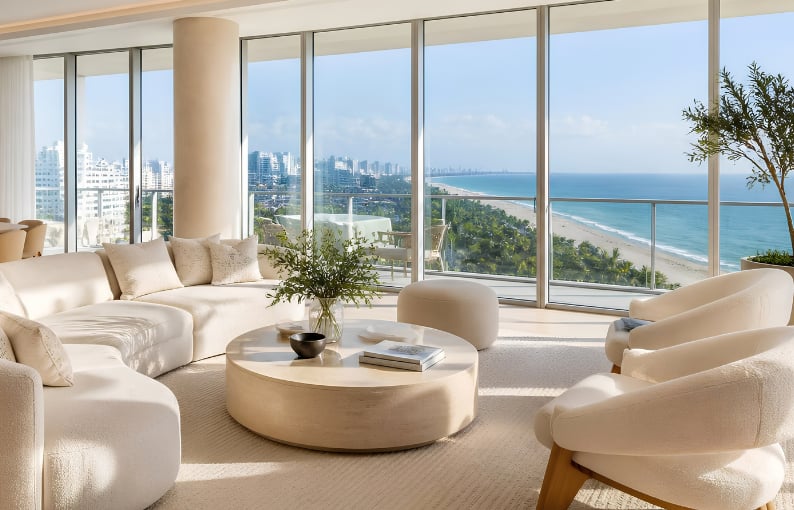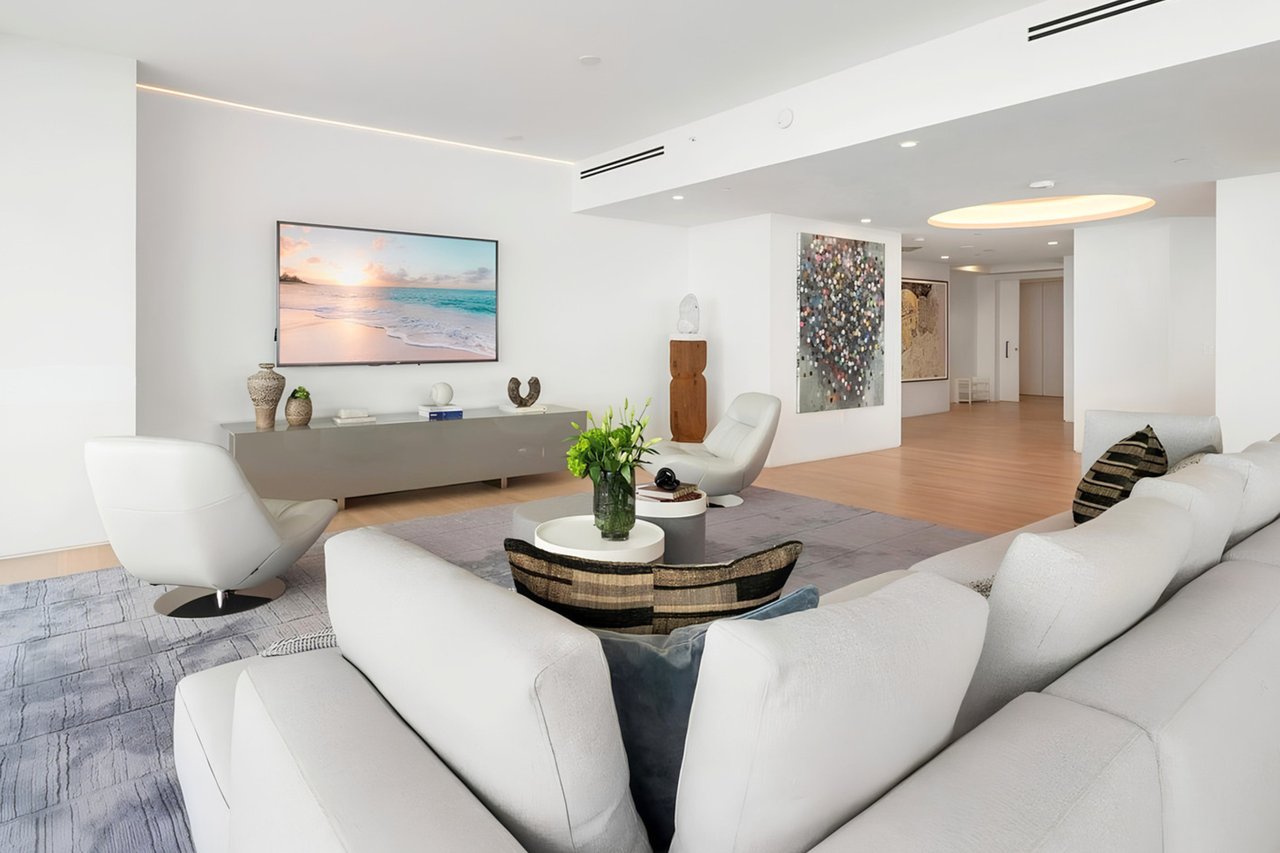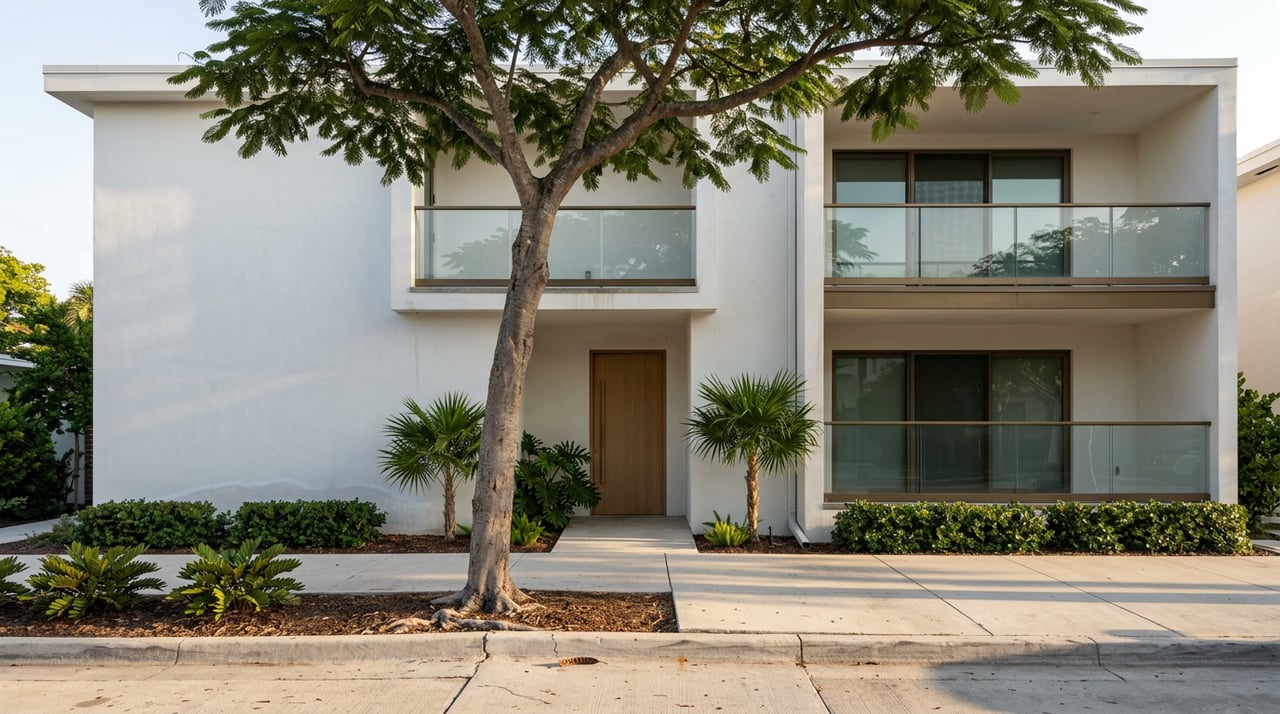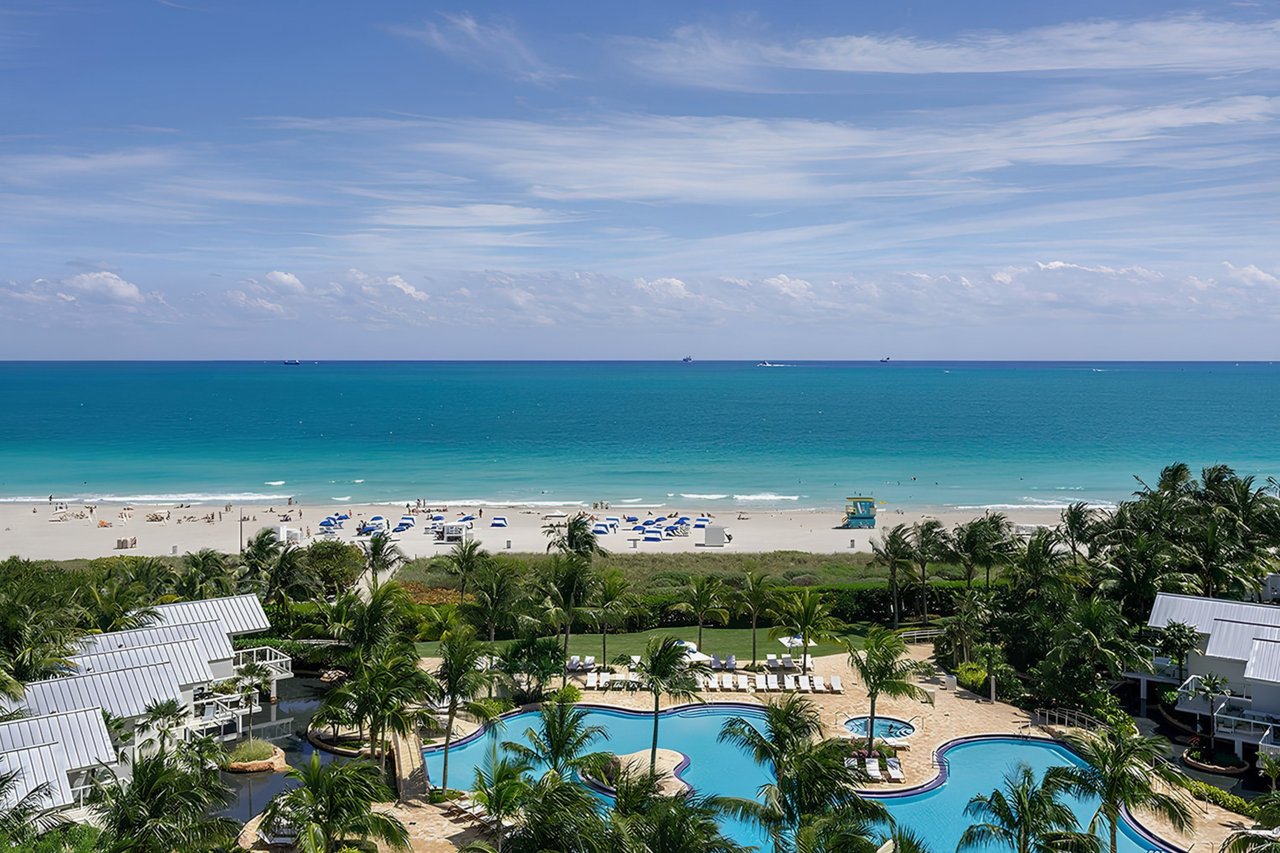
What does privacy really look like in the middle of Miami? On Palm, Hibiscus, and Star Islands, it is less about being cut off from the city and more about how the neighborhood is physically designed. If you are exploring these islands for a primary home, second home, or long-term investment, it helps to understand why they feel so calm and discreet despite their central location. Let’s dive in.
Privacy Starts With Geography
Palm, Hibiscus, and Star Islands sit within Biscayne Bay as a distinct neighborhood area recognized by the City of Miami Beach. They are located beyond the MacArthur Causeway, surrounded by water, and positioned between Miami and Miami Beach.
That setting shapes the experience from the moment you arrive. You are still close to the energy of the mainland and Miami Beach, but the water creates a natural layer of separation that changes the pace and feel of daily life.
Miami-Dade has described Palm, Hibiscus, and Star Islands as exclusive residential neighborhoods located roughly 1,200 to 1,700 feet north of the Port of Miami. In practical terms, that means you get a rare mix of central access and physical buffering.
Low Density Creates Quiet Streets
The biggest reason these islands feel private is simple: low-density residential use. Miami-Dade describes the islands as fully developed, with residential density below seven dwelling units per gross acre.
In a major metropolitan area, that is a notably low-density pattern. Fewer homes per acre usually means less visual clutter, less day-to-day activity on the street, and a more residential rhythm overall.
This matters because privacy is often created by planning, not just by gates or security features. On these islands, the built environment itself supports a quieter lifestyle.
Single-Family Character Matters
Star Island is identified by the City of Miami Beach as RS-1, Residential Single Family. A city commission item also notes that many structures there are large single-family residences.
That zoning context reinforces what many buyers notice right away: the area reads as house-dominated, low-rise, and residential rather than mixed-use or highly active. Even without overcomplicating it, that type of land use naturally supports a greater sense of space and discretion.
Limited Connections Reduce Through-Traffic
Another major factor is how the islands connect to the surrounding city. Rather than feeding into a broad street grid with many entry points, the area functions through a compact roadway framework tied to the MacArthur Causeway and island-specific streets.
City references to places like Bridge Road, Star Island Drive, and West Palm Midway suggest a more concentrated access pattern. That layout helps reduce the feeling of constant pass-through traffic that you might experience in more connected urban neighborhoods.
For you as a homeowner, that often translates into a more controlled daily flow. The streets feel designed for neighborhood use, not for serving as shortcuts across the city.
A Neighborhood-Scale Street System
The City of Miami Beach has also documented right-of-way improvements on Palm and Hibiscus Islands, including road raising, drainage improvements, pump stations, and new paving. A separate city status report notes that residents approved a one-way traffic modification during the project.
Those details support a clear takeaway. Circulation here is managed like a compact residential environment, which helps preserve a calmer street experience.
Resident-Focused Amenities Shape Daily Life
Palm, Hibiscus, and Star Islands are not private islands in the legal sense. They are Miami Beach neighborhoods, and city park listings show public amenities such as Palm Island Park, Hibiscus Island Park, and Buoy Park on Star Island.
That distinction is important because it keeps the conversation accurate. The privacy here does not come from total public exclusion. It comes from the scale of the neighborhood, the residential layout, and the fact that daily life centers more on homes and recreation than on retail or nightlife.
The city’s public-facing information also highlights parks, tennis, and infrastructure rather than commercial activity. That reinforces the idea that these islands function first and foremost as residential enclaves.
A Resident-First Feel
One small but telling example is the Palm Island tennis facility, where residents have defined booking access while non-residents face restrictions. That does not make the neighborhood private in a literal sense, but it does reflect a resident-first orientation.
For many luxury buyers, that distinction matters. You are not looking for isolation as much as a setting that supports discretion, routine, and a more peaceful pace close to the city.
Why Privacy Here Feels Different
On many waterfront markets, privacy is marketed as a security feature. On Palm, Hibiscus, and Star Islands, the stronger story is design.
You have water on multiple sides, low-density housing, island-scale roads, and a residential pattern that does not invite heavy visitor traffic. Together, those elements create what can best be described as residential discretion.
That phrase fits because it avoids overclaiming. These islands are part of Miami Beach, but they offer a setting that feels buffered, quiet, and resort-like while staying close to the broader Miami lifestyle.
What Buyers Often Appreciate Most
If privacy is part of your home search, these islands tend to appeal for a few practical reasons:
- Natural separation from busier areas through surrounding waterways
- A quieter street experience supported by low-density development
- A single-family residential character in key parts of the neighborhood
- Limited through-traffic because of compact island access patterns
- A lifestyle centered on homes and recreation rather than commercial uses
For high-profile buyers, second-home owners, and anyone who values discretion, that combination can be especially compelling.
A Smart Way To Think About These Islands
The best way to understand Palm, Hibiscus, and Star Islands is not as hidden islands, but as highly residential islands. Their privacy comes less from formal exclusivity and more from geography, planning, and the way the neighborhood functions day to day.
That is also what makes them so rare in Miami. You can stay close to Miami Beach and the mainland while enjoying an environment that feels noticeably calmer, more protected, and more residential in character.
If you are considering a home on Palm, Hibiscus, or Star Island and want a discreet, informed perspective on the market, Carlo Dipasquale can help you navigate the opportunities with private, concierge-level guidance.
FAQs
Are Palm, Hibiscus, and Star Islands private islands in Miami Beach?
- No. They are recognized as Miami Beach neighborhoods, and public amenities such as parks and tennis facilities exist on the islands.
What makes Palm, Hibiscus, and Star Islands feel private?
- Their sense of privacy comes from surrounding water, low-density residential development, compact road access, and limited through-traffic.
What type of homes are common on Palm, Hibiscus, and Star Islands?
- The area is overwhelmingly residential, and Star Island is identified as single-family residential, with many large single-family homes.
Why do the streets on Palm, Hibiscus, and Star Islands feel quieter?
- The islands operate through a compact roadway system rather than a broad urban grid, and city improvements have been planned around neighborhood-scale circulation.
Are Palm, Hibiscus, and Star Islands close to Miami and Miami Beach?
- Yes. The islands sit between Miami and Miami Beach off the MacArthur Causeway, which is part of why they offer both convenience and separation.