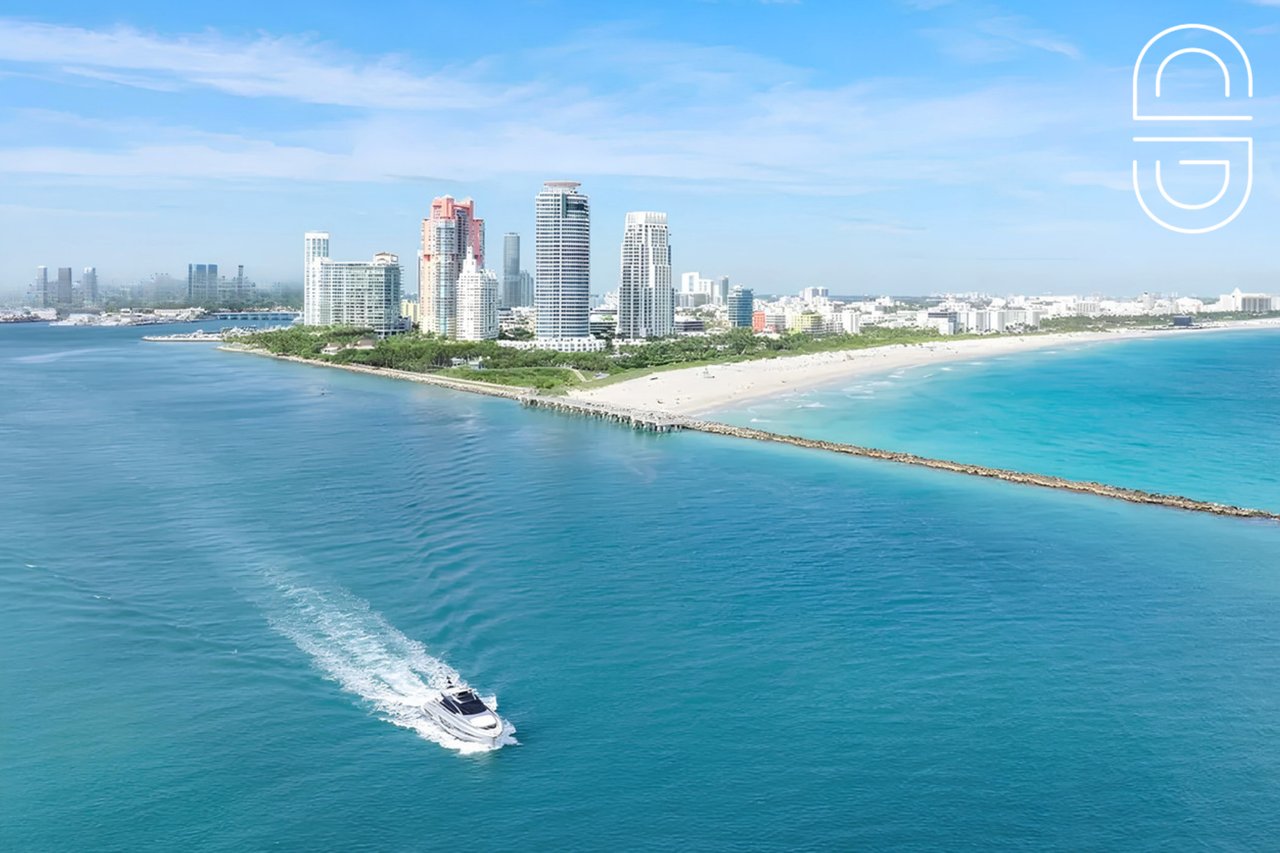
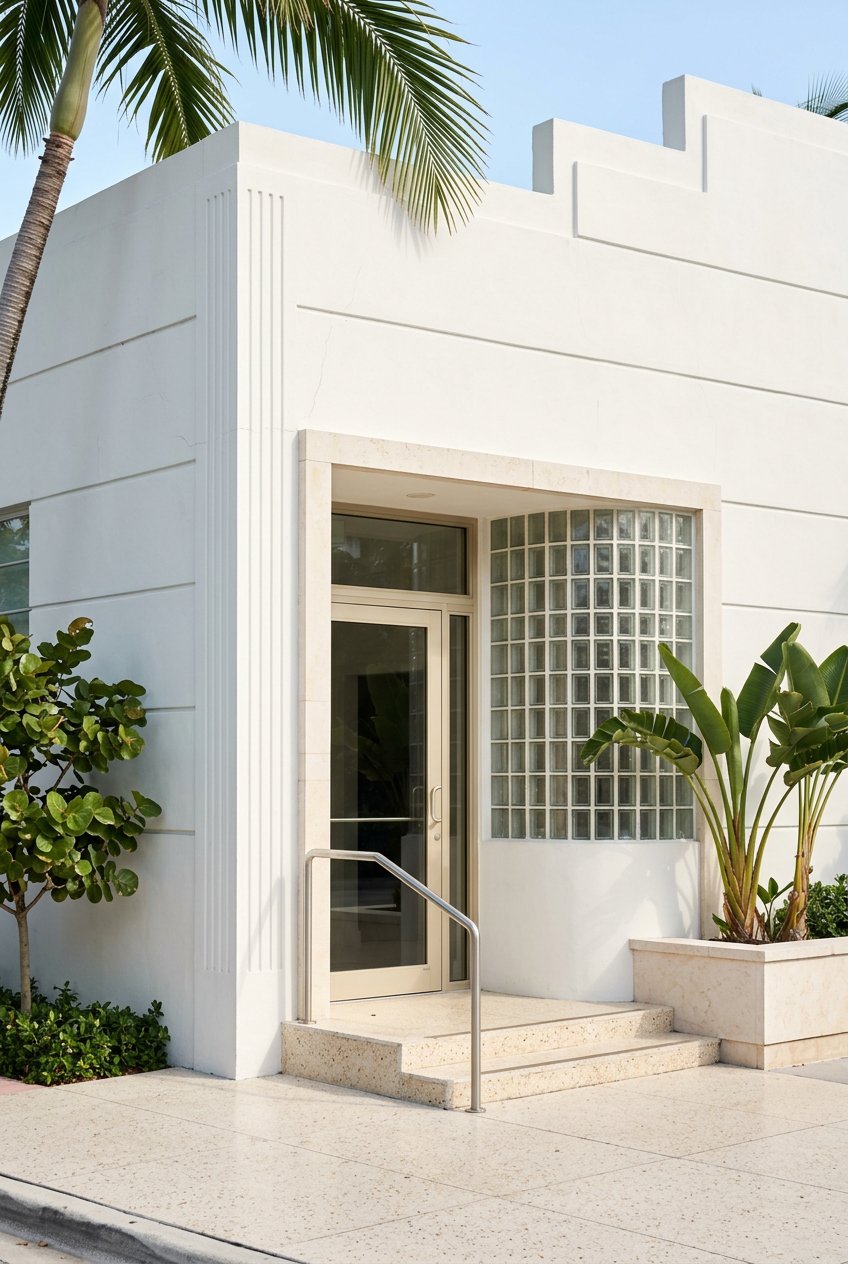
Pastel Deco façades, curving mid‑century hotels and shimmering glass towers all share the same shoreline in South Beach. You might love the look, but style also shapes how you live day to day. In this guide, you’ll see how four architectural languages translate into floor plans, ceiling heights, outdoor space and lifestyle, with local examples and practical buyer tips. Let’s dive in.
Why style matters in South Beach
South Beach holds one of the world’s largest concentrations of 1920s–40s Art Deco and Moderne buildings, recognized on the National Register of Historic Places since 1979 after a local preservation campaign. That designation, championed by the Miami Design Preservation League, continues to frame what can change and what must be protected in many blocks (historic district context).
The City of Miami Beach also documents and celebrates both Art Deco and the later Miami Modern (MiMo) legacy. Active design guidelines and a Historic Preservation Board help maintain the neighborhood’s human‑scale rhythm and graphic character that you see along Ocean Drive and Collins Avenue (Art Deco primer; MiMo overview).
Art Deco and Streamline Moderne
What you see
Art Deco in Miami Beach features geometric ornament, porthole details, and strong vertical or horizontal banding. Streamline Moderne leans into curved corners and ribbon windows. The pastel palette and neon you notice at night are part of the local vernacular, while terrazzo and stylized motifs animate entries and lobbies (city Art Deco guide).
How it lives
Most Deco buildings began life as low‑ to mid‑rise hotels or apartment houses, often 2 to 6 stories, with compact footprints. Inside, you’ll often find efficient, more compartmentalized layouts compared with today’s open plans. Ceiling heights can be characterful in lobbies or select suites, while private unit heights vary by building and by renovation history (district reference).
Outdoor experience
Original Deco structures rarely prioritized large private terraces. Expect slimmer balconies or shared outdoor areas like roof decks, courtyards and pools. The tradeoff is unmatched walkability to Ocean Drive, Lincoln Road and beach access (city Art Deco guide).
Buyer notes
- Verify conversion quality and mechanical upgrades, including elevators and HVAC.
- Ask about historic‑district rules before planning any changes.
- Review any pending building recertification or capital projects with the association (preservation context).
Miami Modern (MiMo)
What you see
MiMo is Miami’s regional take on postwar modernism. Think expressive rooflines, sweeping curves, dramatic lobbies and decorative breeze‑block screens. Site plans often celebrate arrivals, promenades and pool courts (MiMo overview).
How it lives
MiMo resort buildings emphasize indoor–outdoor flow with cross‑ventilation, terraces and multi‑level pool decks. Public spaces are theatrical and sociable, while rooms or residences vary by renovation and whether the property operates as a hotel, a condo or both (MiMo overview).
Outdoor and amenities
Pool decks, cabanas and lively lobbies are central to the lifestyle. Expect a community‑forward feel around amenities rather than strictly private balcony life.
Buyer notes
- Clarify the scope and cost of amenity upkeep that supports the signature lifestyle.
- If it’s a condo‑hotel, review owner‑use rules and short‑term rental policies in detail.
Contemporary glass towers
What you see
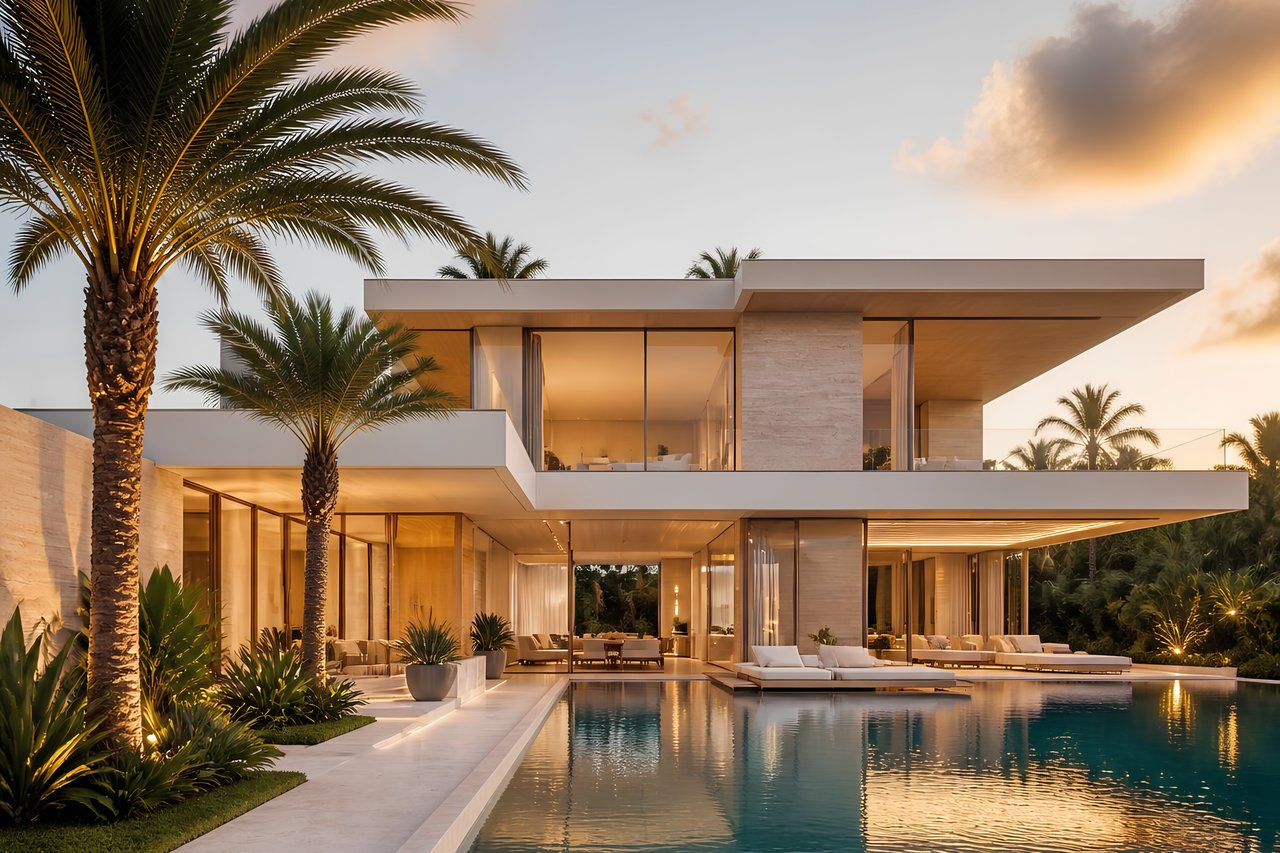
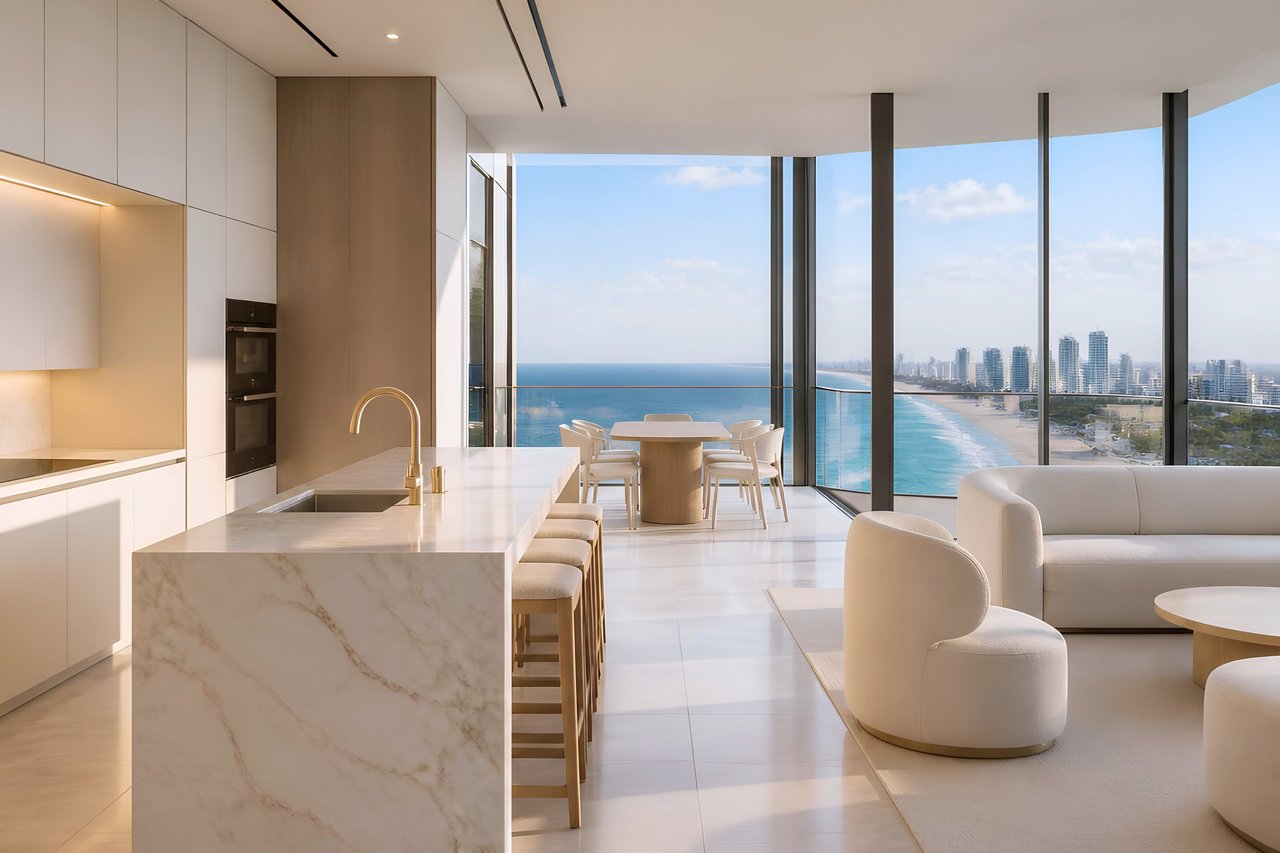
Today’s luxury towers lean into floor‑to‑ceiling glass, open plans and deep terraces that frame water and skyline views. Designs like Faena House highlight wraparound outdoor rooms that blur the boundary between inside and out (Faena House design brief).
Plan and ceilings
Modern high‑end towers typically deliver open living spaces that combine kitchen, dining and lounge areas. Base units often offer 9 to 10 foot ceiling heights, with higher or even double‑height volumes in penthouses, reflecting current luxury standards noted in industry guidance (ULI development guide).
Outdoor living and performance
Deep terraces, often 8 to 11 feet or more on signature lines, function as real outdoor rooms for dining and entertaining, aligning with South Beach’s indoor–outdoor lifestyle (balcony depth guidance). Because Miami‑Dade is in the High‑Velocity Hurricane Zone, impact‑rated glazing or approved shutters are required. Buyers should request the Miami‑Dade Notice of Acceptance for installed windows and doors as part of due diligence (HVHZ NOA example).
Local touchpoints
South of Fifth landmarks like Continuum and Apogee exemplify resort‑scale amenities, private elevator foyers in select lines and expansive terraces. Across the beach, you’ll find additional contemporary towers with large floor plates, open layouts and consistent modern building systems.
Buyer notes
- Expect higher HOA fees that match robust amenity and engineering packages.
- Request window and sliding door NOAs, terrace structural reports and recent HVAC records (HVHZ NOA example).
Restored boutiques and adaptive reuse
What you see
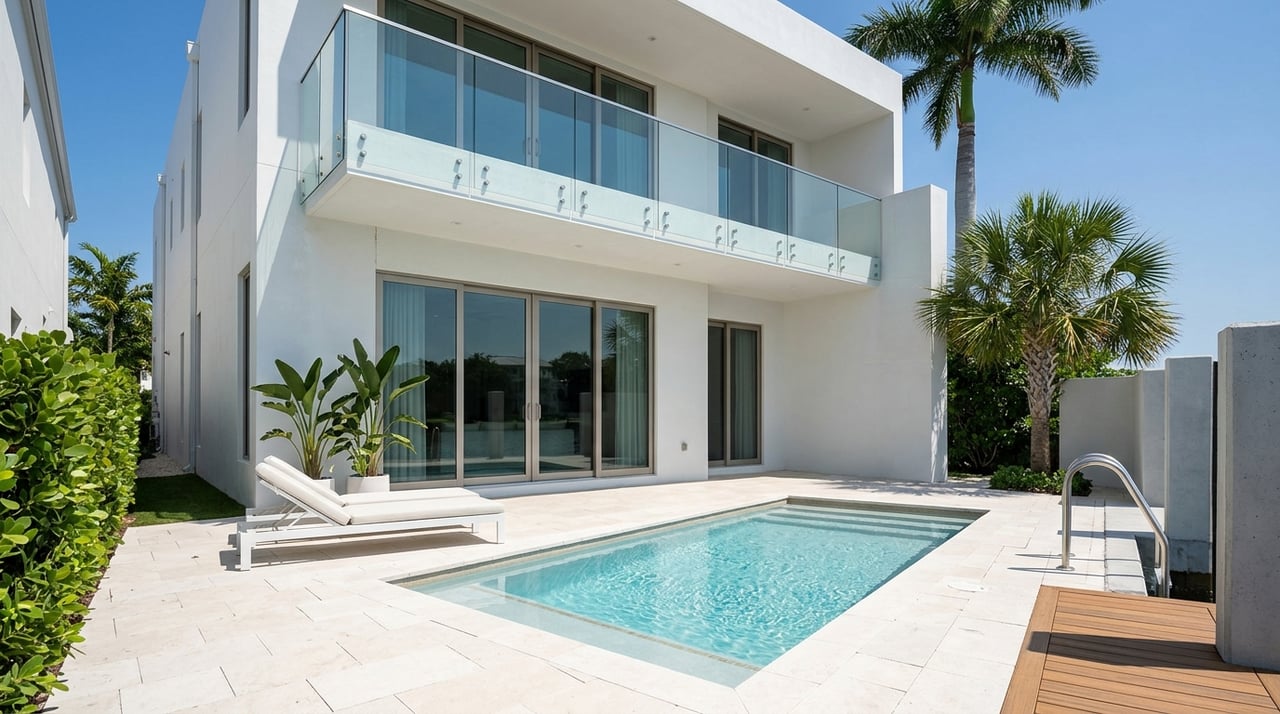
South Beach also shines in small‑scale restorations where historic façades and storied lobbies are preserved and updated. Boutique hotels and mixed‑use condo conversions keep the character while upgrading life safety, egress and building systems.
How it lives
Adaptive reuse often leads to unique, non‑cookie‑cutter floor plans. Corridors or original room footprints may guide the unit layout, while interiors receive modern finishes and systems. Character lovers appreciate the charm, but it pays to ask for the technicals.
Buyer notes
- Request capital reserve studies, recent engineering reports and records of approved alterations.
- Review local guidance on resilient rehabilitation to understand upgrade pathways and costs in older structures (resilient rehab reference).
At a glance: how era changes space
Floor plate and layout
- Historic hotel‑to‑condo footprints tend to be narrower and more compartmentalized, with fewer wraparound terraces (Art Deco context).
- Large modern towers support open plans, broad living areas and, in some cases, private elevator foyers or full‑floor residences.
Ceiling heights
- In historic buildings, ceilings vary by building, space and conversion. Lobbies or signature units may be taller, but verify each listing’s measurements (historic district reference).
- In contemporary luxury towers, 9 to 10 foot ceilings are common for base units, with higher or double‑height volumes at the top of the stack (ULI development guide).
Outdoor space
- Many historic or boutique buildings rely on shared outdoor areas and slimmer balconies.
- Luxury towers frequently offer deep, usable terraces. A rule of thumb for a truly functional balcony is about 6 feet in depth, with many South Beach towers exceeding that to create outdoor rooms (balcony depth guidance).
Daylight, views and performance
- Glassy towers maximize views and light, which also heightens the importance of shading, high‑performance glazing and privacy planning. Request NOAs for installed systems in the High‑Velocity Hurricane Zone (HVHZ NOA example).
Regulations and resilience that shape choices
Preservation and approvals
National Register recognition underscores significance, but it’s the City’s Historic Preservation Board process that typically governs exterior changes in protected areas. Factor review timelines and scope into any renovation plan (district background).
Building safety and recertification
Florida has strengthened inspection and recertification requirements for many older multi‑story buildings. Always ask for the most recent structural and safety reports, plus any open items or scheduled work (state code context).
Coastal rules and demolition
Recent state legislation has narrowed some aspects of local control over demolition and replacement for certain flood‑vulnerable coastal properties, with specific protections for buildings meeting defined National Register criteria. This is changing the balance between preservation and resiliency in some cases (legal analysis).
Street‑level resiliency work
Miami Beach is investing in pumps, raised roads and drainage upgrades. These projects can improve flood performance and also change sidewalk and entry elevations, which affects ground‑floor access and storefronts in select areas (resilience reporting).
Buyer checklist for showings
Use this quick list to compare properties across styles and eras:
- Historic status: Confirm if the building or block falls under local historic review, and note any implications for exterior changes (district background).
- Recertification: Request recent structural and safety recertification reports, timelines and any special assessments (state code context).
- Impact glazing: Collect window and door NOAs and confirm installation dates and models (HVHZ NOA example).
- Terrace usability: Measure terrace depth and ask for any slab or load‑limit reports if you plan outdoor kitchens, planters or spas (balcony depth guidance).
- Flood profile: Review FEMA flood maps, the building’s elevation certificate and any mitigation plans or capital programs (FEMA advisory).
- Operations: For condo‑hotels, obtain operating agreements, owner‑use rules and recent HOA minutes.
- Acoustics: Ask about floor‑ceiling assemblies and any sound‑attenuation measures if privacy is a priority.
Finding your fit in South Beach
If you respond to graphic façades and a walk‑to‑everything lifestyle, an Art Deco or boutique restoration could be perfect. If you want expansive indoor–outdoor living with consistent modern systems, a contemporary glass tower may suit you best. MiMo properties offer a resort‑centric social scene with signature lobbies and pool culture.
Ready to compare specific buildings, floor plans and views? Schedule a private conversation with Carlo Dipasquale to align your design taste with the right South Beach address and negotiate the best outcome.
FAQs
What is the difference between Art Deco and MiMo in South Beach?
- Art Deco and Streamline Moderne emphasize geometric ornament and compact, efficient plans, while MiMo celebrates expressive roofs, dramatic lobbies and pool‑centric layouts that foster sociable, resort‑style living.
Are glass‑tower condos in South Beach built with impact windows?
- In Miami‑Dade’s High‑Velocity Hurricane Zone, towers use impact‑rated glazing or approved shutters, and you should request the window and door Notice of Acceptance for confirmation (HVHZ NOA example).
How do terraces compare across building eras in South Beach?
- Historic and boutique buildings more often rely on shared outdoor areas, while modern luxury towers provide deep private terraces that function as outdoor rooms, often exceeding the 6‑foot usability rule of thumb (balcony depth guidance).
What should I check before buying in a restored boutique building in South Beach?
- Ask for capital reserve studies, recent engineering and life‑safety reports, records of approved alterations and any planned flood‑mitigation upgrades.
How do preservation rules affect renovations in South Beach’s historic district?
- National Register recognition and local Historic Preservation Board review shape what changes are permitted to exteriors and public spaces, so build timelines and approvals into your plan (district background).