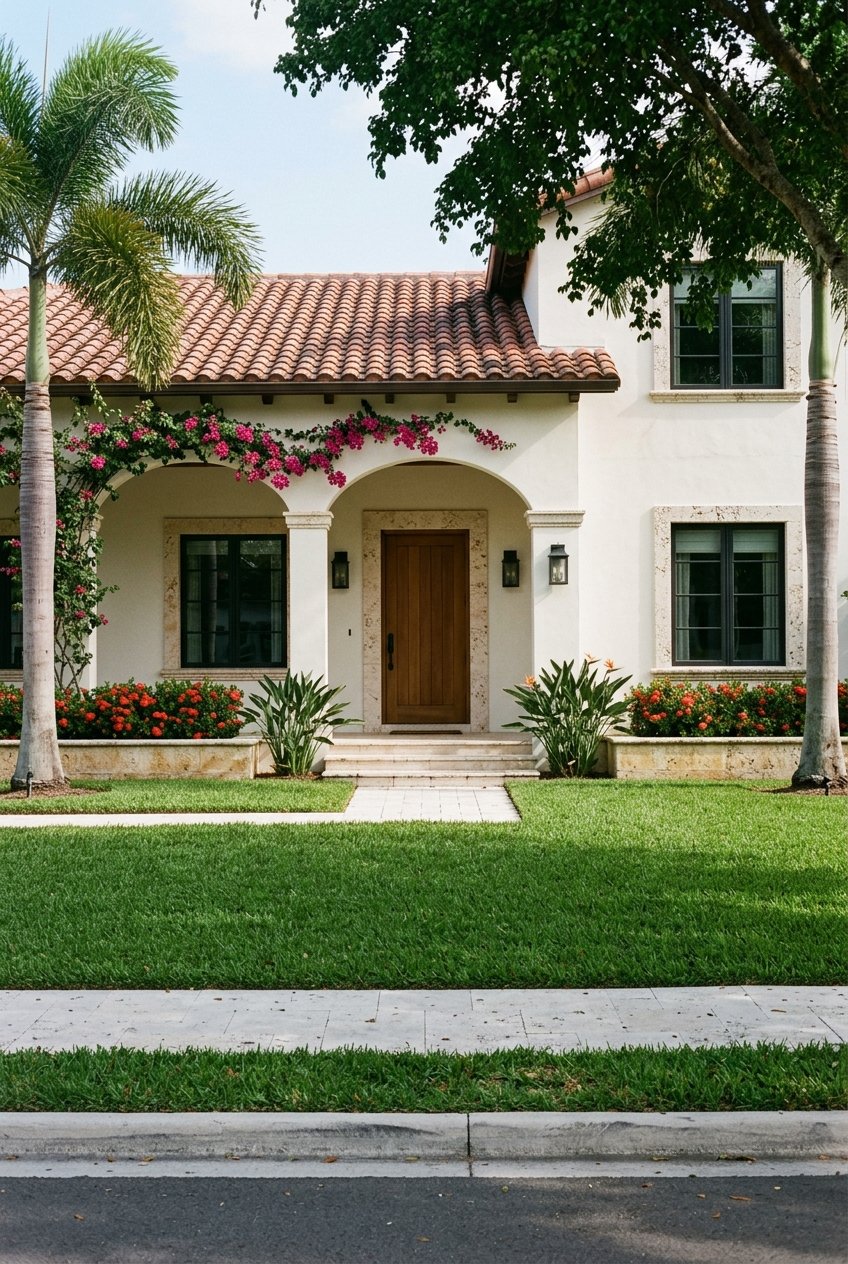
What if luxury in Miami was not about a towering skyline or an oceanfront address, but about shaded boulevards, landmark architecture, and homes with real staying power? If you are drawn to elegance that feels established rather than flashy, Coral Gables deserves a closer look. From historic estates to everyday lifestyle amenities, this guide will help you understand what makes Coral Gables one of South Florida’s most distinctive luxury markets. Let’s dive in.
Why Coral Gables Feels Different
Coral Gables has a strong sense of identity because it was planned with a clear vision. The city still reflects its original City Beautiful and Garden City ideals, with green avenues, civic landmarks, and a residential layout that feels intentional rather than improvised. That foundation gives the area a refined character that many luxury buyers find appealing.
You can also see that long-term stewardship in the streetscape itself. The city reports more than 41% tree coverage and notes that it has been a Tree City USA community since 1985. In practical terms, that means the canopy, landscaped medians, and shaded roads are part of daily life, not just a marketing image.
Coral Gables also blends residential calm with international reach. The city says it is home to more than 20 consulates and over 140 multinational corporations, which helps explain why it feels globally connected while remaining rooted in neighborhood living. For buyers who want privacy, polish, and access, that balance is hard to ignore.
Historic Estates Shape the Market
One of the biggest draws in Coral Gables is its architectural continuity. The city is known for Mediterranean Revival design, but its historic fabric includes coral rock construction, landmark civic buildings, and preserved residential properties that create a cohesive visual experience. Luxury here often comes from heritage, scale, and setting rather than novelty alone.
The city notes that more than 1,000 properties are listed on the Coral Gables Register of Historic Places. That is a meaningful number because it speaks to how deeply preservation is woven into the community. When you buy in Coral Gables, you are often buying into a place where architecture and landscape are treated as part of the city’s identity.
This preservation focus matters for long-term value and lifestyle. According to the city’s preservation division, the goal is to protect historic structures, sites, landscape elements, works of art, and integrated combinations of those elements. For you as a buyer, that can translate into a streetscape that feels more consistent, more curated, and more enduring over time.
Landmark Properties Define the Experience
Several well-known landmarks help explain Coral Gables luxury living. The city’s historical landmarks include City Hall, the Congregational Church, Coral Gables Elementary, Merrick House, the old police and fire station, Douglas Entrance, Venetian Pool, and the Biltmore Hotel. These places are not isolated attractions. They shape the everyday backdrop of the city.
Merrick House stands out as an early example of vernacular architecture built with native coral rock. Douglas Entrance is recognized as one of the city’s most elaborate planned entrances, reinforcing the ceremonial and designed quality of Coral Gables from the moment you arrive. These details give the area a sense of permanence that many newer luxury districts cannot replicate.
The Biltmore Hotel is another major reference point. The city ties it to an important luxury hospitality legacy, and its amenities include fine dining, a large pool, tennis, golf, and spa facilities. That helps illustrate a key point: luxury in Coral Gables often centers on gardens, clubs, and heritage properties instead of a resort strip or high-rise concentration.
Venetian Pool adds another layer to the city’s identity. Created from a quarry pit, it offers lagoon-like design features that feel uniquely tied to Coral Gables history and setting. Even recreational spaces here reinforce the idea that beauty and design are part of daily living.
Daily Life in Coral Gables
Luxury buyers often focus on the home first, but the rhythm of everyday life matters just as much. Coral Gables has a low-rise, residential feel supported by outdoor amenities, culture, and walkable commercial pockets. The result is a lifestyle that feels composed and livable.
The city’s Parks and Recreation department manages the Coral Gables Golf and Country Club, the William H. Kerdyk Biltmore Tennis Center, the Salvadore Tennis Center, the Venetian Pool, the Granada Golf Course, the Adult Activity Center, and all city parks and playgrounds. The city also says Coral Gables has more than 60 parks and open spaces. If you value recreation without sacrificing elegance, that is a meaningful advantage.
Miracle Mile remains the city’s most visible commercial street and a central part of local life. The city describes it as the main street of Coral Gables, known for Mediterranean-style facades, sidewalk cafés, boutiques, tree-lined streets, and recurring events. It offers activity and convenience without overwhelming the area’s residential tone.
For more upscale retail and dining, the Shops at Merrick Park add another option. The city describes it as a luxurious outdoor mall with restaurants, boutiques, department stores, a cinema, and a gym. That outdoor, open-air format fits the broader Coral Gables lifestyle, where refinement often feels relaxed rather than showy.
Culture Is Part of the Neighborhood
Coral Gables does not treat arts and culture as extras. They are part of how the city presents itself and how residents experience it. If you want a neighborhood with a strong civic identity, this matters.
The Coral Gables Museum is dedicated to architecture, urban design, environmental design, and preservation. Housed in the former police and fire station, it reflects the city’s long-standing interest in planning and design. That focus helps reinforce why Coral Gables feels so visually coherent compared with areas that evolved more loosely.
The city’s Gallery Night program also adds a regular cultural rhythm. On the first Friday of each month from 6 to 10 p.m., galleries and participating venues in downtown Coral Gables open with live music and fine art. Combined with the city’s Art in Public Places program, these events help make the arts feel local and recurring, not occasional.
How Coral Gables Compares Nearby
If you are choosing between Coral Gables and another Miami luxury enclave, the differences are important. Each area offers a distinct version of South Florida living. Coral Gables tends to appeal most to buyers who want historic character, privacy, and a settled residential feel.
Coral Gables vs Coconut Grove
Coconut Grove is often seen as more laid-back, tropical, and eclectic. By contrast, Coral Gables reads as more formal and more intentionally composed, with ordered green avenues and landmark architecture shaping the atmosphere. If you prefer polished estate-style living over a more bohemian feel, Coral Gables may be the stronger match.
Coral Gables vs Miami Beach
Miami Beach is more closely associated with oceanfront living, historic Art Deco density, and a resort-oriented visual identity. Coral Gables offers a different kind of luxury, centered on Mediterranean Revival architecture, coral rock, preservation, and garden-city planning. If your priority is a quieter and more inward residential experience, Coral Gables stands apart.
Coral Gables vs Brickell
Brickell is part of a dense urban core with high-rise residences, offices, hotels, and major commercial activity. Coral Gables is much lower-rise and more residential in character, with an emphasis on green space, civic culture, and continuity of design. For buyers who value privacy and neighborhood character over a vertical downtown environment, Coral Gables often feels more aligned.
Who Coral Gables Luxury Living Suits Best
Coral Gables is especially compelling if you want a home in a place with visual consistency, established architecture, and long-term identity. Buyers who are drawn to historic estates, shaded streets, and a polished but understated lifestyle often find the city to be a strong fit. It offers luxury that feels grounded and lasting.
It may also appeal to international and second-home buyers who want a neighborhood with prestige and a quieter daily rhythm. The city’s international presence, heritage-driven character, and residential setting can make it attractive for those seeking discretion and stability. That combination is part of what gives Coral Gables enduring appeal.
At the same time, it is important to understand that preservation and civic upkeep are part of the experience. The city’s emphasis on maintaining historic structures and landscape character helps protect its look and feel, but it can also mean a more rules-conscious environment than newer districts. For many luxury buyers, that tradeoff is exactly what preserves value and charm.
What to Keep in Mind Before You Buy
If Coral Gables is on your shortlist, it helps to look beyond square footage and finishes. In this market, value often comes from architecture, provenance, streetscape, and setting. Two homes with similar size can offer very different lifestyle experiences depending on their design context and location within the city.
You will also want to consider how the property fits your goals. Some buyers want a historic estate with original character, while others prefer a residence that offers Coral Gables prestige with a more updated feel. A clear strategy matters, especially in a market where the surrounding environment plays such a large role in long-term appeal.
For luxury buyers, local guidance is especially important in a place this nuanced. Coral Gables is not just another Miami neighborhood. It is a highly specific lifestyle market shaped by preservation, civic planning, and architecture that continues to define its value today.
If you are considering a move into Coral Gables or evaluating how it compares with Miami Beach, Coconut Grove, or Brickell, a tailored approach can make all the difference. For private, concierge-level guidance on Coral Gables luxury homes and historic estates, schedule a consultation with Carlo Dipasquale.
FAQs
What makes Coral Gables luxury living different from other Miami neighborhoods?
- Coral Gables stands out for its planned City Beautiful layout, tree-lined streets, historic architecture, and estate-oriented residential character rather than a high-rise or resort-driven feel.
Are historic homes a major part of the Coral Gables real estate market?
- Yes. The city says more than 1,000 properties are listed on the Coral Gables Register of Historic Places, and preservation plays a major role in the city’s identity and visual consistency.
What architectural styles define Coral Gables historic estates?
- Mediterranean Revival is the signature style, but the city’s landmark inventory also includes vernacular coral rock architecture and other historically significant structures.
What lifestyle amenities are available in Coral Gables?
- Coral Gables offers golf, tennis, parks, open spaces, the Venetian Pool, Miracle Mile, the Shops at Merrick Park, and a strong calendar of arts and cultural programming.
Is Coral Gables a good fit for buyers seeking a quieter luxury lifestyle?
- Yes. Coral Gables is often a strong match for buyers who want privacy, residential character, elegant streetscapes, and a long-term sense of place instead of a nightlife-first or high-rise environment.
How does Coral Gables compare with Brickell for luxury buyers?
- Brickell is denser, taller, and more urban, while Coral Gables is lower-rise, more residential, and defined by green space, historic character, and a more composed neighborhood setting.