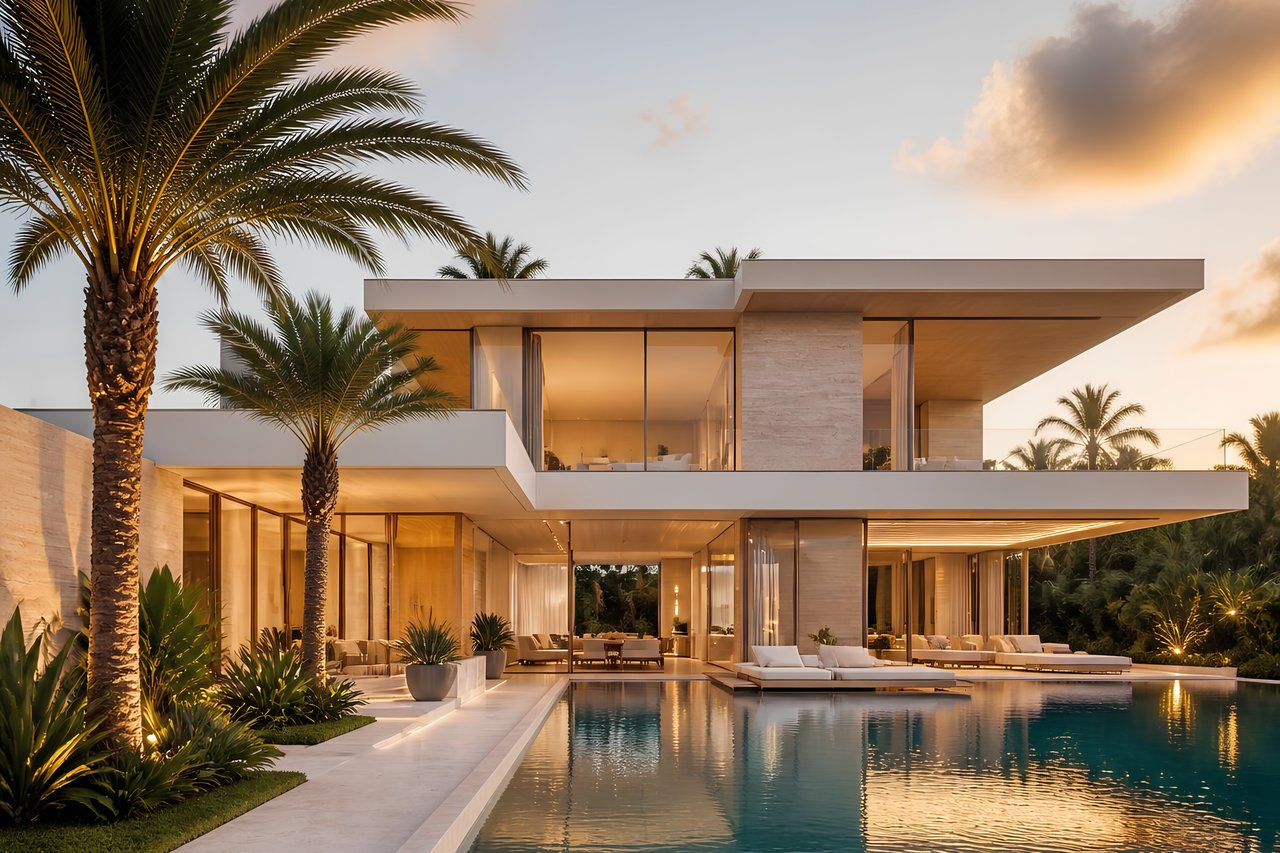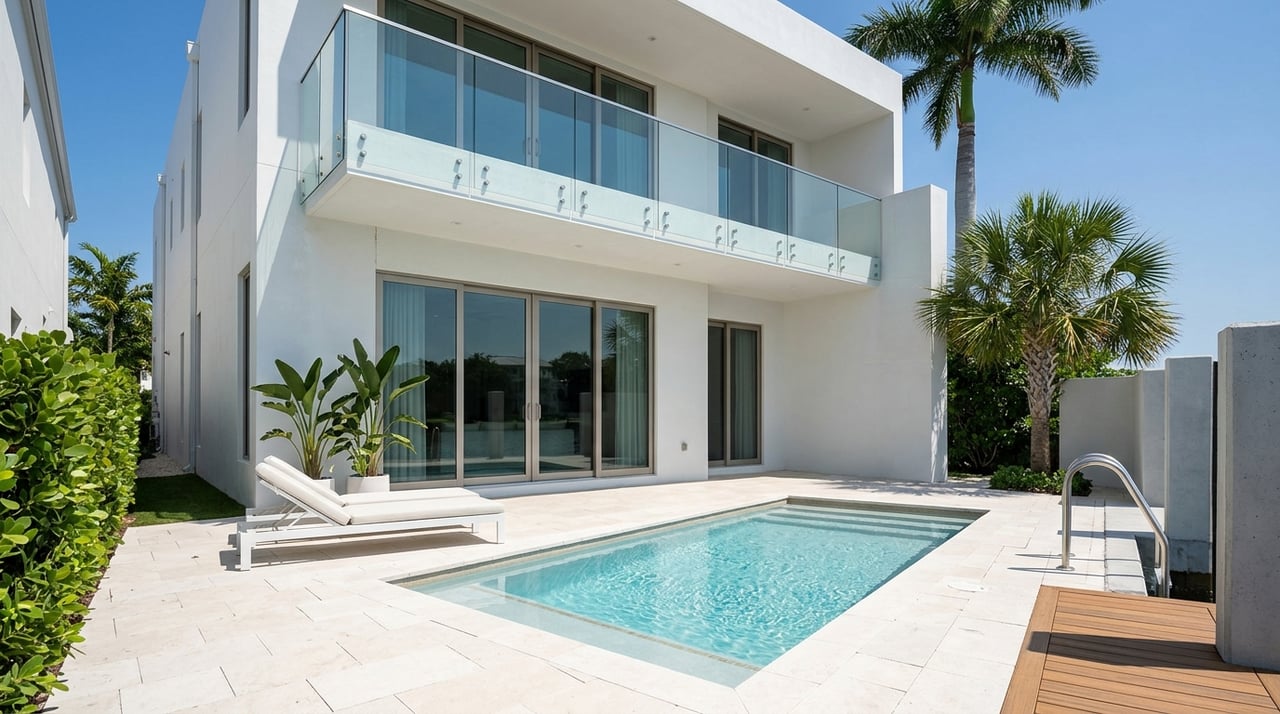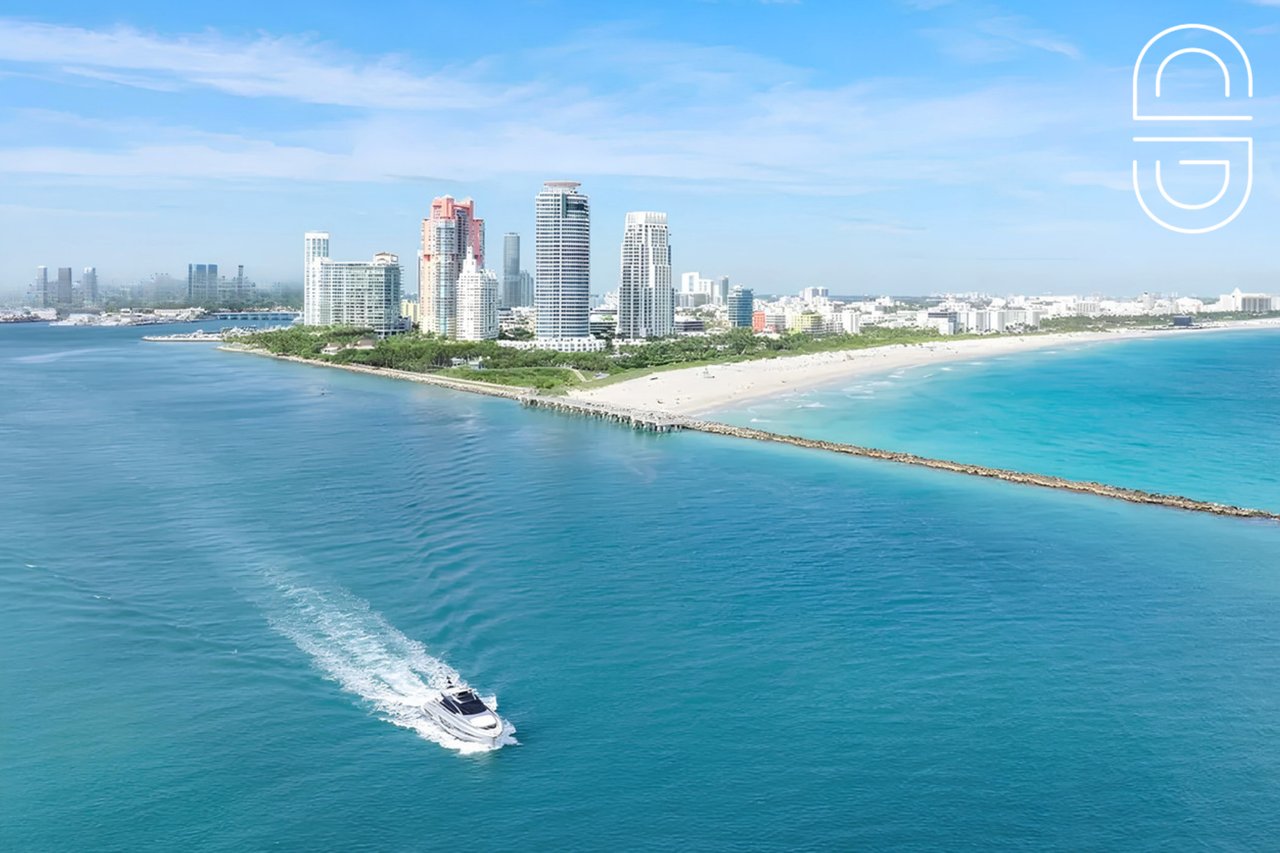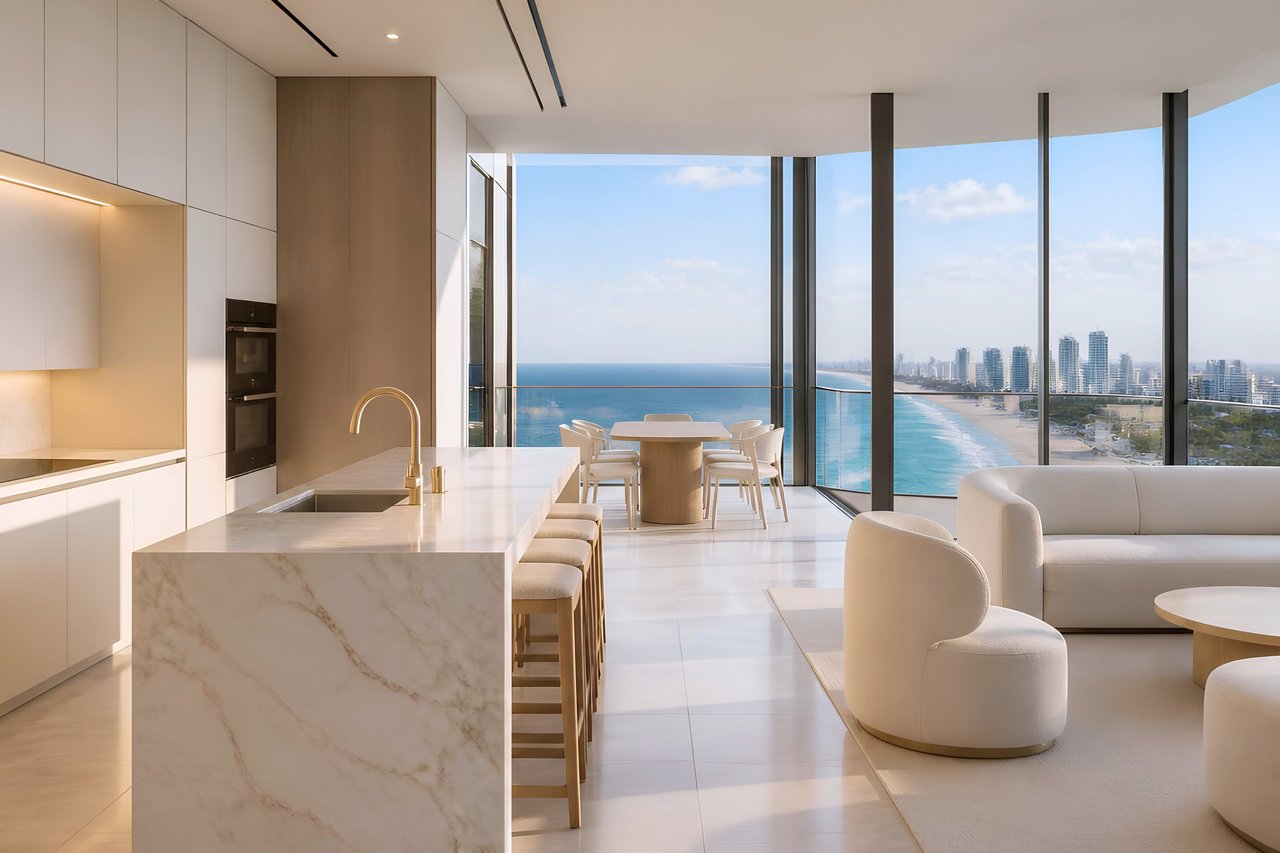
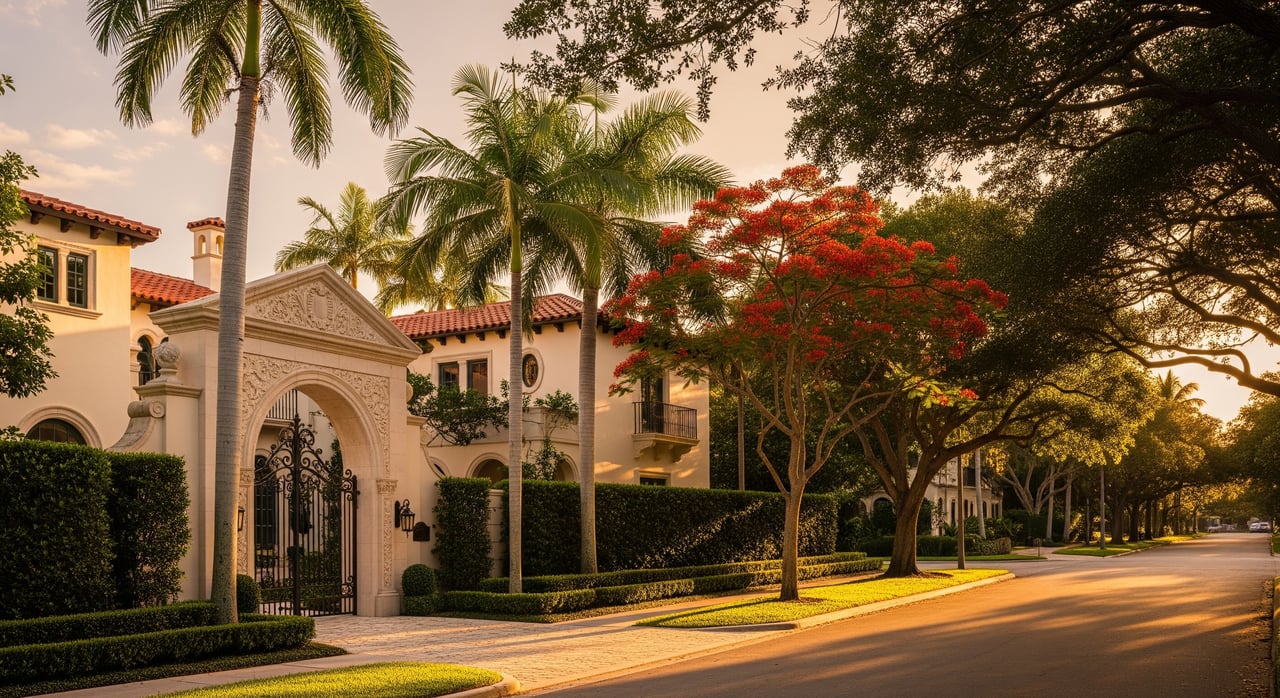
Torn between a classic Coral Gables estate and a lock-and-leave luxury condo? You are not alone. The City Beautiful offers both private, leafy neighborhoods and sophisticated, full-service buildings close to dining and culture. In this guide, you will learn how to weigh lifestyle, costs, services, rules, and long-term value so you can choose with confidence. Let’s dive in.
Coral Gables lifestyle snapshot
Coral Gables is a planned city known for Mediterranean Revival architecture, tree-lined boulevards, landmark venues like the Biltmore Hotel and Venetian Pool, and a walkable downtown centered around Miracle Mile and Merrick Park. Its location offers quick access to Miami International Airport, Brickell, Coconut Grove, and the Port of Miami. These qualities draw buyers who value beauty, convenience, and international connectivity.
Large single-family lots in the central city are limited by historic neighborhoods and zoning. That scarcity supports premium values for well-located estates. Luxury condos exist in select corridors and downtown pockets, with options ranging from boutique low-rise residences to full-service towers.
Homes vs condos: quick comparison
- Space and privacy: Homes provide yards, pools, and more separation. Condos trade private outdoor space for shared amenities.
- Walkability: Condos near downtown place you steps from restaurants and retail. Estates in residential areas may need short drives, though many streets remain walkable.
- Services and security: Condos offer concierge, valet, and 24/7 security. Homes rely on custom systems and hired staff.
- Maintenance and costs: Homes have variable upkeep and potential large capital items. Condos bundle many costs into monthly fees, with possible special assessments.
- Amenities: Condos feature gyms, spas, lounges, and pools. Homes deliver private pools, gardens, and flexible entertaining areas.
- Flexibility: Homes allow more customization, subject to zoning and historic guidelines. Condos follow association rules.
- Resale and liquidity: Condos can sell faster in active corridors, yet are sensitive to building financials. Estate sales are fewer in number but can benefit from lot scarcity in prime neighborhoods.
Lifestyle and daily living
Space and privacy
If you want a private pool, garden, or guest house, a single-family home gives you full control. You can create separate spaces for hosting, staff, and hobbies. Condos focus on interior living with balconies or terraces, and you share common areas with neighbors.
Walkability and access
Condo buildings clustered near downtown Coral Gables offer immediate access to dining, shopping, and offices. Single-family areas are quieter, with tree-lined streets and parks, though you may drive a few minutes to reach downtown amenities.
Entertaining and hosting
Condos simplify logistics with valet, covered parking, and on-site service teams. Homes give you freedom to host large gatherings across indoor and outdoor areas, balanced by higher planning and vendor coordination.
Family routines and schooling
Many families prefer single-family residences for private play space and flexible layouts. Others choose condos for convenience close to downtown and school commutes. For schools, review current public school assignments and explore notable private options in the area. Keep language neutral and focus on fit for your needs.
Costs and maintenance
Ongoing upkeep
- Homes: You are responsible for exterior and structural elements, landscaping, pool systems, roofing, HVAC, pest control, and more. Costs can vary month to month.
- Condos: The association maintains common elements. Your monthly fees cover many services, which can stabilize routine costs.
Predictability and assessments
Condos provide predictable monthly expenses but carry collective risks. If reserves are underfunded or capital projects are needed, owners may face special assessments. Homes avoid association assessments, yet large repairs can create uneven cash flow.
Utilities and services
Condos may bundle some utilities and can be more energy efficient per unit. Single-family homes often carry higher utility and service costs due to larger footprints and systems.
Security and services
Condominiums
Full-service buildings typically offer 24/7 security, controlled access, concierge support, package handling, and valet. This appeals to buyers who want discretion, simplified logistics, and consistent staffing.
Single-family homes
You can tailor security with gated entries, smart systems, and private patrols. Household staffing and vendor management provide similar conveniences, but you oversee the team.
Amenities that shape daily life
High-end Coral Gables condos can include resort-style pools, fitness centers, spas, private dining rooms, theaters, wine rooms, and business lounges. Amenity quality varies by building age and developer.
Single-family estates deliver private amenities and design freedom. You can add or reimagine features, subject to zoning and any historic preservation rules that protect neighborhood character.
Financing, lending, and approvals
At luxury price points, both homes and condos may require jumbo loans. Condo financing involves additional lender scrutiny of the building, such as financial health and owner-occupancy levels. Lenders may ask for higher down payments for condos, for buildings without project approval, or for non-U.S. citizen borrowers. Many luxury buildings are not approved for certain government-backed programs, so confirm your options early.
Insurance and flood risk in Coral Gables
- Condos: Unit owners typically carry HO-6 policies for interiors and personal property, while the association insures exteriors and common areas under a master policy. Review master policy limits and deductibles.
- Homes: Owners insure the entire structure and contents, often with separate wind or hurricane coverage. Premiums and deductibles can be higher in coastal South Florida.
- Flood: Flood insurance is required for properties in certain flood zones when using federally backed loans. Elevation, drainage, and lot grading matter for homes, while building elevation and envelope condition matter for condos.
Building safety and association health for condos
After heightened building safety focus, many lenders and buyers review structural reports and recertifications more closely. Before you purchase, examine engineering and recertification history, recent capital projects, reserve funding, and any planned structural work. Building reputation, litigation status, and financials influence lending, insurance, and resale.
Rules, rentals, and how you plan to use it
Your intended use should guide your choice. Short-term rental rules vary by city. Coral Gables has specific ordinances and enforcement practices, so confirm current regulations and building policies if rental income is part of your plan. For primary residences, Florida’s homestead exemption can reduce property taxes, and it is available to qualifying owners of both homes and condos.
Due diligence checklists
For single-family homes
- Property survey and boundary verification.
- Permits history and code compliance for past work.
- Structural, roof, HVAC, plumbing, electrical, termite, and mold inspections.
- Age and condition of roof, A/C, pool equipment, and other major systems.
- Landscape condition, tree roots, and drainage patterns.
- Flood zone, elevation certificate, and any past flood events.
- Utility details, such as sewer vs septic and water source.
- Zoning, setbacks, and rules for additions or accessory structures.
- Property tax history and homestead eligibility.
For condominiums
- Condo documents, bylaws, declaration, rules, and resale disclosures.
- Association budgets, audited financials, reserves, and debt levels.
- Minutes of board meetings for the last 12 to 24 months.
- Master insurance policy details and unit owner deductible exposure.
- Owner-occupancy versus investor mix.
- Any pending litigation or third-party claims.
- Recertification and structural inspection history, plus upcoming capital projects.
- Rental policy, short-term rules, pet and guest policies, and renovation guidelines.
- Parking rights, storage, and service contracts.
Long-term considerations
- Climate and insurance: Sea-level rise, storm surge, and evolving flood maps can affect premiums, financing, and future values. Study property elevation, drainage, and building envelope conditions.
- Regulatory and safety trends: Expect deeper lender and insurer reviews of condo buildings and association health.
- Historic preservation: In designated areas, rules can limit expansions or exterior changes. This preserves character but reduces flexibility.
- International ownership: Cross-border buyers should plan for tax and estate considerations, including FIRPTA on sale and potential U.S. estate tax exposure. Consult qualified advisors for structures like LLCs or trusts.
How to decide: a simple framework
Ask yourself these questions to clarify fit:
- Do you want full control of private outdoor space, or do you prefer a low-maintenance setting with staffed services?
- How much variability in maintenance and capital expenses are you comfortable accepting?
- Will the property be a primary home, a second home, or an investment, and do city and building rules allow your intended use?
- How important are walkability and being close to Miracle Mile or Merrick Park versus a quieter residential street?
- For condos, do the association’s reserves, financials, and engineering reports support long-term confidence?
- What are the flood and hurricane risks, and how will insurance affect your carrying costs?
- Do you need a jumbo or specialized loan, and will the building or property qualify under current lending standards?
If you are still unsure, tour a few handpicked options in both categories. Compare daily flow, light, noise, and logistics from driveway or valet to kitchen and bedroom. A focused side-by-side will usually make the right choice clear.
Ready to align your lifestyle and investment goals with the right Coral Gables property? For concierge guidance, curated listings, and discreet representation, connect with Carlo Dipasquale to schedule a private consultation.
FAQs
What drives the price gap between Coral Gables homes and condos?
- Scarcity of large single-family lots, historic character, and zoning constraints can support premiums for estates, while condo values vary by location, amenities, and building reputation.
What should I review in a Coral Gables condo association before buying?
- Review audited financials, budgets, reserve studies, board minutes, insurance details, litigation status, recertification and engineering reports, rental rules, and any planned assessments.
How does flood risk affect buying a home or condo in Coral Gables?
- Flood zones can influence insurance requirements and premiums. For homes, check elevation and drainage; for condos, look at building elevation and envelope condition.
Can I rent out my Coral Gables home or condo?
- It depends on city regulations and your association’s rules. Confirm current municipal ordinances and building policies, especially for short-term rentals.
Are condos easier to finance than single-family homes in Coral Gables?
- Not always. Condo loans require project review and may need higher down payments or stricter terms, especially for non-U.S. buyers or buildings without project approval.
What if I plan to renovate a historic Coral Gables home?
- Check zoning and any historic preservation guidelines before planning additions or exterior changes. These rules protect neighborhood character and can affect scope and timelines.